Spider-Man: Brand New Day – Film Review
Published July 31, 2026

Movie Details

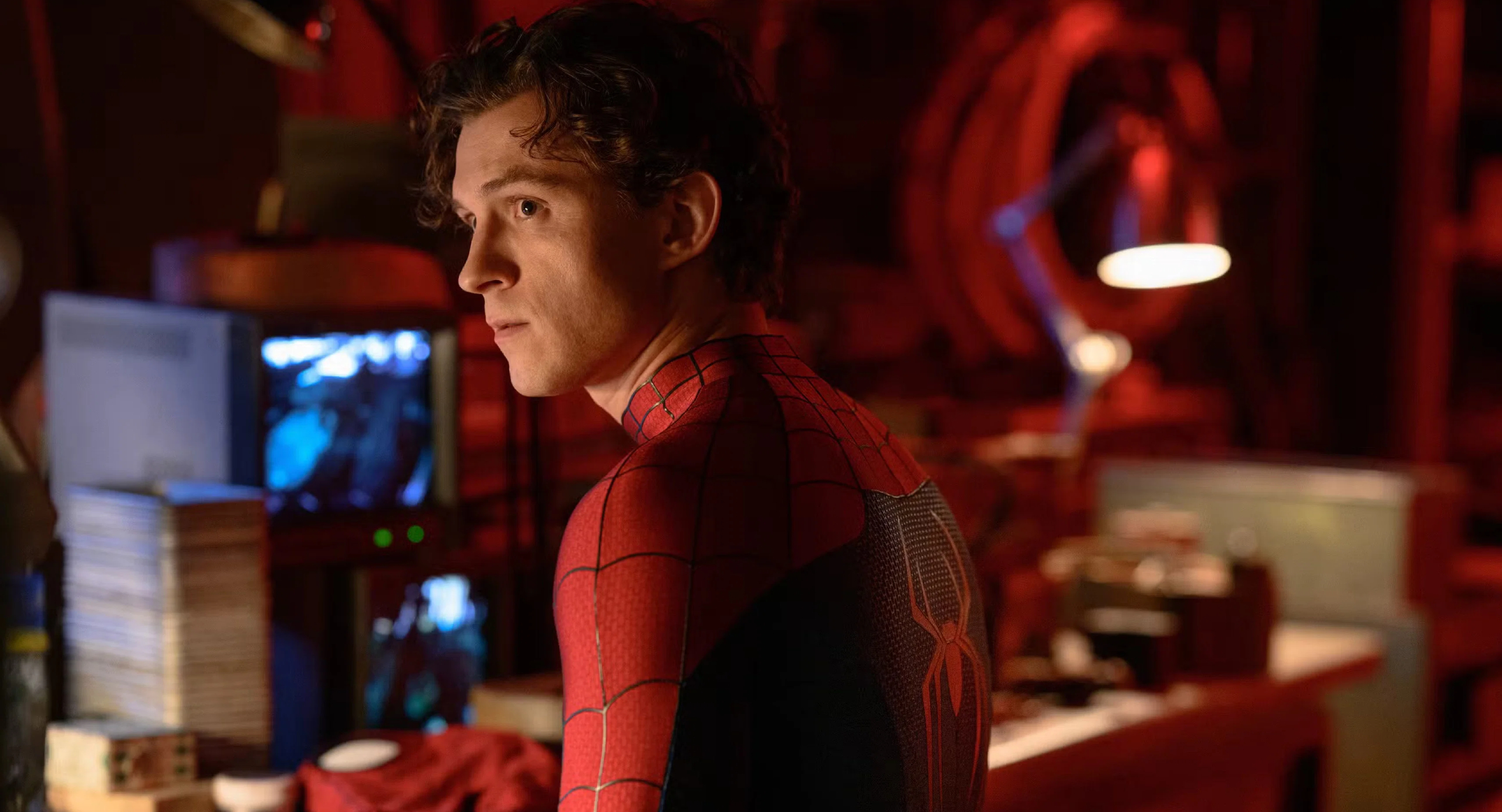
Spider-Man has always been defined by reinvention. Every generation gets its own interpretation of Peter Parker, and every era finds a different way to explore the burden of responsibility that comes with wearing the mask. Spider-Man: Brand New Day embraces that idea wholeheartedly, delivering a fresh chapter that honors what came before while confidently pushing Tom Holland’s version of the character into exciting new territory. Following the monumental events of Spider-Man: No Way Home, this sequel had the difficult task of justifying its existence after what felt like a definitive ending. Against all odds, it succeeds.
Directed with confidence by Destin Daniel Cretton, Brand New Day feels simultaneously familiar and refreshingly different. It strips Peter Parker back down to basics without sacrificing the larger-than-life spectacle audiences expect from the Marvel Cinematic Universe. While the film certainly has flaws—primarily an overstuffed narrative juggling perhaps one too many characters and ideas—it remains a thrilling, emotionally satisfying superhero adventure that reminds audiences exactly why Spider-Man continues to resonate after more than sixty years.
Most impressively, it stands as the strongest entry in Tom Holland‘s Spider-Man series.
Rather than attempting to simply recreate the magic of previous installments, Brand New Day embraces change. The story introduces Peter Parker in an entirely different stage of life, forcing him to redefine who he is without relying on familiar relationships or comforts. That creative decision immediately gives the film a unique identity among MCU entries.
Chris McKenna and Erik Sommers craft a story that balances mystery, superhero action, science fiction, and heartfelt character drama remarkably well for most of its runtime. The narrative constantly keeps Peter moving, uncovering clues while confronting a threat unlike anything he has previously faced. The central mystery unfolds at an engaging pace, gradually revealing new layers without becoming overly convoluted.
Where the screenplay truly shines is in its understanding of Peter Parker as a person. The film never loses sight of the emotional consequences of previous events, allowing Peter’s loneliness, resilience, and optimism to shape every decision he makes. Even when explosions, superpowered battles, and city-wide chaos dominate the screen, the story always remembers that Spider-Man works best when audiences care about the man beneath the mask.
Tom Holland gives what is easily his finest performance as Peter Parker. Over several films, Holland has steadily matured alongside the character, but Brand New Day finally allows him to showcase the full emotional range that longtime fans have known he possesses. This version of Peter carries immense emotional weight while still maintaining the awkward charm, humor, and relentless determination that define Spider-Man.
Holland excels in both the quieter dramatic scenes and the physically demanding action sequences. He convincingly portrays Peter’s exhaustion, isolation, and hope without ever becoming melodramatic. His performance grounds even the film’s wildest comic-book concepts in genuine humanity.
Equally impressive is Sadie Sink, whose performance here immediately establishes her as one of the MCU’s most compelling newcomers. Sink brings vulnerability, anger, confusion, and quiet tragedy to the role, ensuring her character never feels conventional. Instead, she becomes a layered character whose motivations remain emotionally understandable throughout the film.
The supporting cast is equally strong. Zendaya once again brings warmth and charisma to MJ, even within a very different dynamic than previous films. Jacob Batalon continues to provide genuine likability, while Jon Bernthal steals nearly every scene he appears in as Frank Castle, bringing intensity without overshadowing the emotional narrative. Florence Pugh continues proving why Yelena Belova remains one of Marvel’s strongest recent additions, and Mark Ruffalo provides a welcome presence in a smaller but meaningful role.
Destin Daniel Cretton proves himself to be an inspired choice behind the camera. His work combines intimate character moments with blockbuster spectacle in a way that feels surprisingly personal. While Marvel films can occasionally become overwhelmed by their own scale, Cretton consistently keeps the audience emotionally invested by emphasizing character reactions rather than simply escalating destruction.
His action direction deserves particular praise. Every major sequence feels distinct, creative, and visually coherent. Rather than relying exclusively on CGI chaos, the action emphasizes movement, choreography, and Spider-Man’s agility in inventive ways. Spider-Man swings through New York with an energy that recalls the character’s best cinematic appearances, while the hand-to-hand combat feels faster, more brutal, and more physical than previous MCU outings.
The emotional scenes benefit from Cretton’s restrained direction as well. He allows conversations to breathe, giving actors room to fully inhabit their characters instead of rushing toward the next action scene.
The action sequences rank among the MCU’s strongest. Whether Spider-Man is navigating city streets, battling multiple opponents simultaneously, or engaging in emotionally charged confrontations, each set piece feels carefully designed rather than interchangeable. The choreography showcases Peter’s intelligence as much as his physical abilities, allowing him to solve problems creatively instead of relying solely on brute force.
The cinematography also deserves significant recognition. New York has rarely looked this vibrant in an MCU Spider-Man film. The city feels alive, colorful, and dynamic, serving as more than just a backdrop for superhero battles.
Lighting choices add tremendous atmosphere throughout the film, especially during nighttime sequences. Several visually striking moments linger long after the credits roll, demonstrating a stronger visual identity than previous Spider-Man installments. Combined with polished visual effects and confident camera movement, the film delivers some of the franchise’s most memorable imagery.
One of the film’s greatest strengths is its emotional sincerity. Without revealing major plot developments, Brand New Day explores loneliness, identity, grief, forgiveness, and the importance of human connection. These ideas never feel forced or overly sentimental because they’re woven naturally into Peter’s journey.
Several scenes carry surprising emotional weight, largely thanks to Holland and Sink’s performances. Their interactions provide some of the film’s most memorable moments, adding complexity to what could have easily become a straightforward superhero conflict.
The screenplay also avoids relying entirely on nostalgia. While longtime MCU fans will certainly appreciate references to previous films, Brand New Day confidently establishes its own emotional identity rather than simply repeating familiar beats. That willingness to move forward gives the movie an energy that feels exciting instead of repetitive.
If there’s one major criticism to level against Spider-Man: Brand New Day, it’s that the film occasionally feels overstuffed.
There are numerous storylines, supporting characters, organizations, emotional arcs, and comic-book concepts competing for attention. While most of these elements are individually compelling, they don’t always receive the breathing room they deserve. Some supporting characters disappear for lengthy stretches before suddenly becoming important again, while certain narrative threads feel compressed to maintain the brisk pace. A slightly leaner screenplay could have elevated the film even further.
Despite its generous runtime, there are moments where the movie feels like it could have benefited from focusing more narrowly on its strongest relationships rather than attempting to set up future stories alongside resolving its present one. It’s a testament to the film’s overall quality that this issue rarely derails the experience, but it does prevent absolute perfection.
Spider-Man: Brand New Day accomplishes something remarkably difficult. It follows one of the MCU’s biggest crossover events while carving out a compelling identity entirely its own.
Tom Holland delivers his strongest performance yet, Sadie Sink makes an outstanding MCU debut, Destin Daniel Cretton brings fresh visual energy to the franchise, and the action sequences consistently impress with creativity and scale. More importantly, the film remembers that Spider-Man stories succeed because audiences care deeply about Peter Parker as a person.
Although the screenplay occasionally buckles under the weight of too many ideas, its emotional resonance, confident direction, thrilling spectacle, and outstanding performances easily outweigh those shortcomings.
This isn’t simply another enjoyable Marvel movie—it is the definitive Tom Holland Spider-Man film, one that confidently points the character toward an exciting future while celebrating everything that has always made Spider-Man one of the greatest superheroes ever created.