Ink – Film Review
Published November 16, 2026

Movie Details

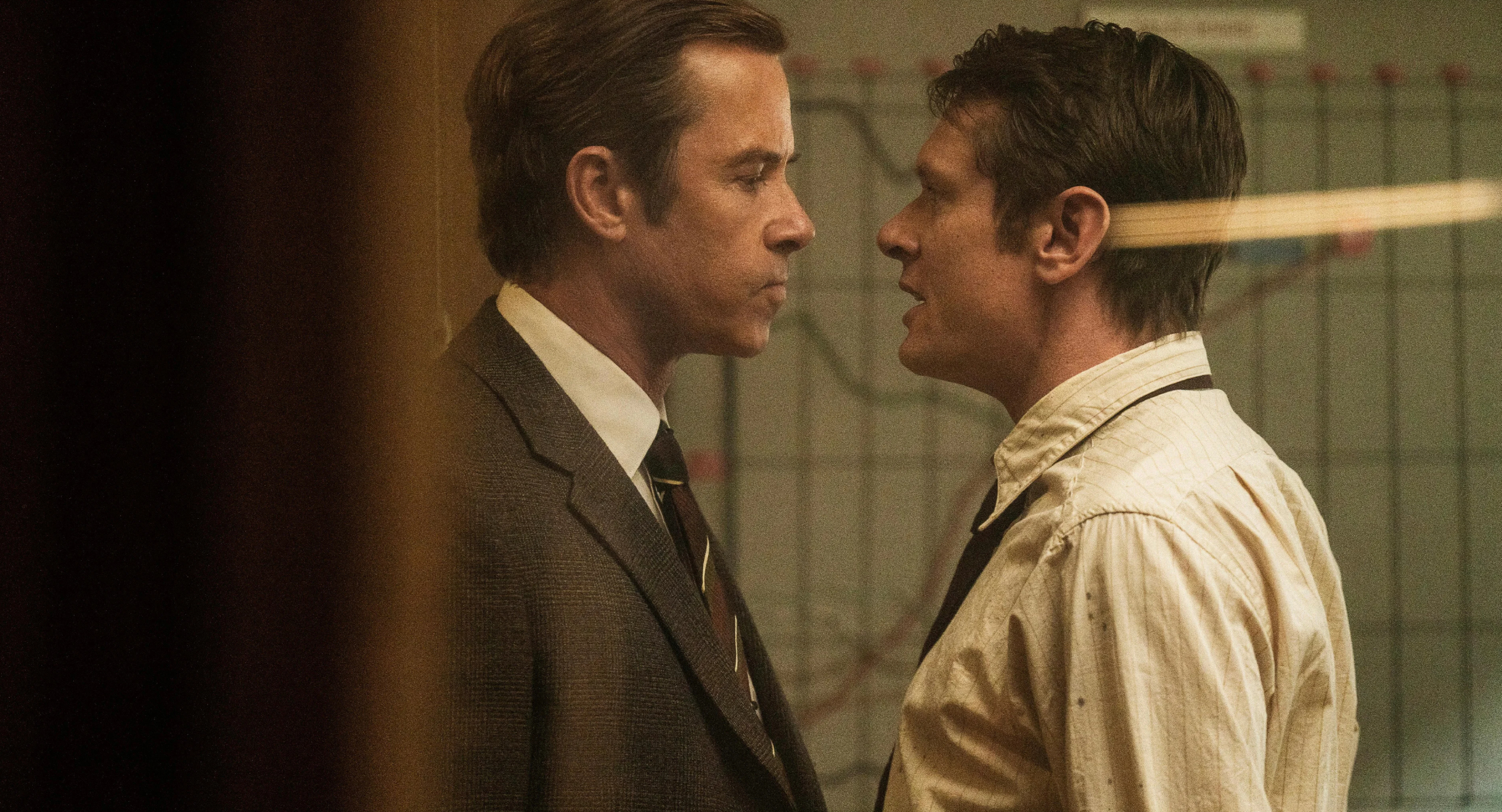
Danny Boyle‘s Ink is an energetic, sharply performed biographical drama that explores the transformation of British journalism through the unlikely partnership between newspaper editor Larry Lamb and media mogul Rupert Murdoch. Examining the events surrounding the 1969 acquisition of the struggling British tabloid The Sun, the film presents a fascinating look at the ambitions, rivalries, compromises, and calculated risks that helped reshape the newspaper industry. With a screenplay adapted by James Graham from his own stage play, Ink has a compelling historical foundation and an abundance of provocative ideas about the relationship between journalism, commercial success, and public appetite.
One of the film’s most interesting qualities is its willingness to examine an influential moment in media history without making its central figures entirely admirable. Larry Lamb and Rupert Murdoch are presented as ambitious men who recognize an opportunity to challenge the established newspaper landscape, but their determination to succeed also raises uncomfortable questions about the responsibilities that accompany influence. Rather than simply celebrating the creation of a successful publication, the film explores the compromises and consequences associated with building a newspaper around what attracts readers. This gives the story a degree of complexity that makes it considerably more interesting than a conventional business success narrative.
The film also benefits from the contrast between its two central characters. Lamb is a newspaper editor with an instinct for understanding what audiences want, while Murdoch approaches the struggling publication with the ambition of a businessman determined to establish something considerably bigger. Their partnership provides the narrative with an engaging foundation, particularly as their respective ambitions begin to shape the identity of The Sun. Although their motivations are not always entirely compatible, their shared willingness to challenge established conventions creates an interesting dynamic that drives much of the drama.
Jack O’Connell delivers a compelling performance as Larry Lamb, bringing considerable personality and determination to a character whose professional instincts are matched by an appetite for taking risks. O’Connell effectively communicates Lamb’s confidence and resourcefulness while allowing glimpses of the personal compromises that accompany his professional ambitions. His portrayal gives the film an engaging central presence, making Lamb’s journey particularly interesting to follow. There is an appealing combination of charisma and unpredictability to his performance, helping establish why someone with his instincts could become such an influential figure in the newspaper industry.
Guy Pearce is equally effective as Rupert Murdoch, presenting the media mogul as a calculating, ambitious businessman who understands the importance of identifying opportunities before his competitors. Pearce brings an intimidating confidence to the character without relying exclusively on exaggerated mannerisms. His portrayal captures Murdoch’s determination to challenge the existing establishment, while also suggesting the considerable influence he hopes to acquire through his expanding media ambitions. The scenes involving Pearce and O’Connell are particularly engaging because both performers bring different energies to their characters. Their interactions provide the film with some of its strongest dramatic moments.
Claire Foy makes a welcome impression as Jules Davies, a fictional reporter who represents the experiences of several women working in journalism during this period. Her character provides another perspective on the newspaper’s developing identity, particularly regarding the professional environment and gender dynamics of Fleet Street. Foy brings intelligence and personality to the role, giving Jules an individual presence rather than allowing her to function exclusively as a romantic subplot. However, the character’s fictionalized nature occasionally makes her contribution to the broader historical narrative feel somewhat less substantial than those of the principal figures.
Blake Harrison and Patrick Kennedy also contribute effectively as Ray and Bernard Shrimsley, respectively. Their performances help establish the broader newsroom environment, giving the newspaper’s development a sense of collective involvement rather than making everything revolve around Lamb and Murdoch. The supporting cast adds personality to the proceedings, although some characters inevitably receive less development than others.
Danny Boyle’s direction gives Ink a lively sense of momentum, making the newspaper industry’s competitive environment feel energetic and constantly evolving. His filmmaking approach is particularly appropriate for a story involving people attempting to disrupt an established institution. Rather than presenting the newspaper business as an overly formal or inaccessible world, Boyle emphasizes the personalities, disagreements, and creative impulses that contribute to its transformation. The result is a film that maintains an engaging pace while exploring a subject that could otherwise become weighed down by historical exposition.
James Graham’s screenplay is one of the film’s greatest strengths, particularly in its exploration of how journalism can become inseparable from commercial ambition. The transformation of The Sun is not simply presented as the story of a newspaper finding its audience. It also raises questions about what happens when attracting readers becomes the primary measure of success. The film understands that newspapers have considerable power to influence public conversations, and it uses the relationship between Lamb and Murdoch to examine the complicated distinction between giving audiences what they want and shaping what audiences come to expect.
However, the screenplay occasionally struggles to balance its historical ambitions with its character-driven storytelling. Certain developments receive more attention than others, and the supporting characters could benefit from additional depth. While the central relationship remains compelling, the narrative sometimes moves so quickly between professional developments that individual moments do not receive as much emotional weight as they deserve. The film has plenty to say about journalism, but not every idea is explored with equal effectiveness.
Its historical perspective is also particularly interesting because the events surrounding The Sun can be viewed through the lens of the modern media landscape. The film invites audiences to consider how the pursuit of circulation, attention, and commercial relevance helped establish practices that would continue influencing journalism for decades. Although the story takes place in 1969, its questions about sensationalism, editorial responsibility, and the relationship between media organizations and their audiences remain remarkably relevant.
Ultimately, Ink is a well-acted and thought-provoking drama that benefits from Danny Boyle’s energetic direction, James Graham’s engaging screenplay, and strong performances from Jack O’Connell and Guy Pearce. It occasionally sacrifices character development for narrative momentum, and its exploration of certain historical and ethical questions could have been more comprehensive. Nevertheless, its examination of the ambitions and compromises behind a major transformation in British journalism makes it a worthwhile viewing experience. It is an entertaining historical drama that understands the importance of its subject while leaving audiences with plenty to consider about the influence of the media.