Voicemails for Isabelle – Film Review
Published June 20, 2026

Movie Details

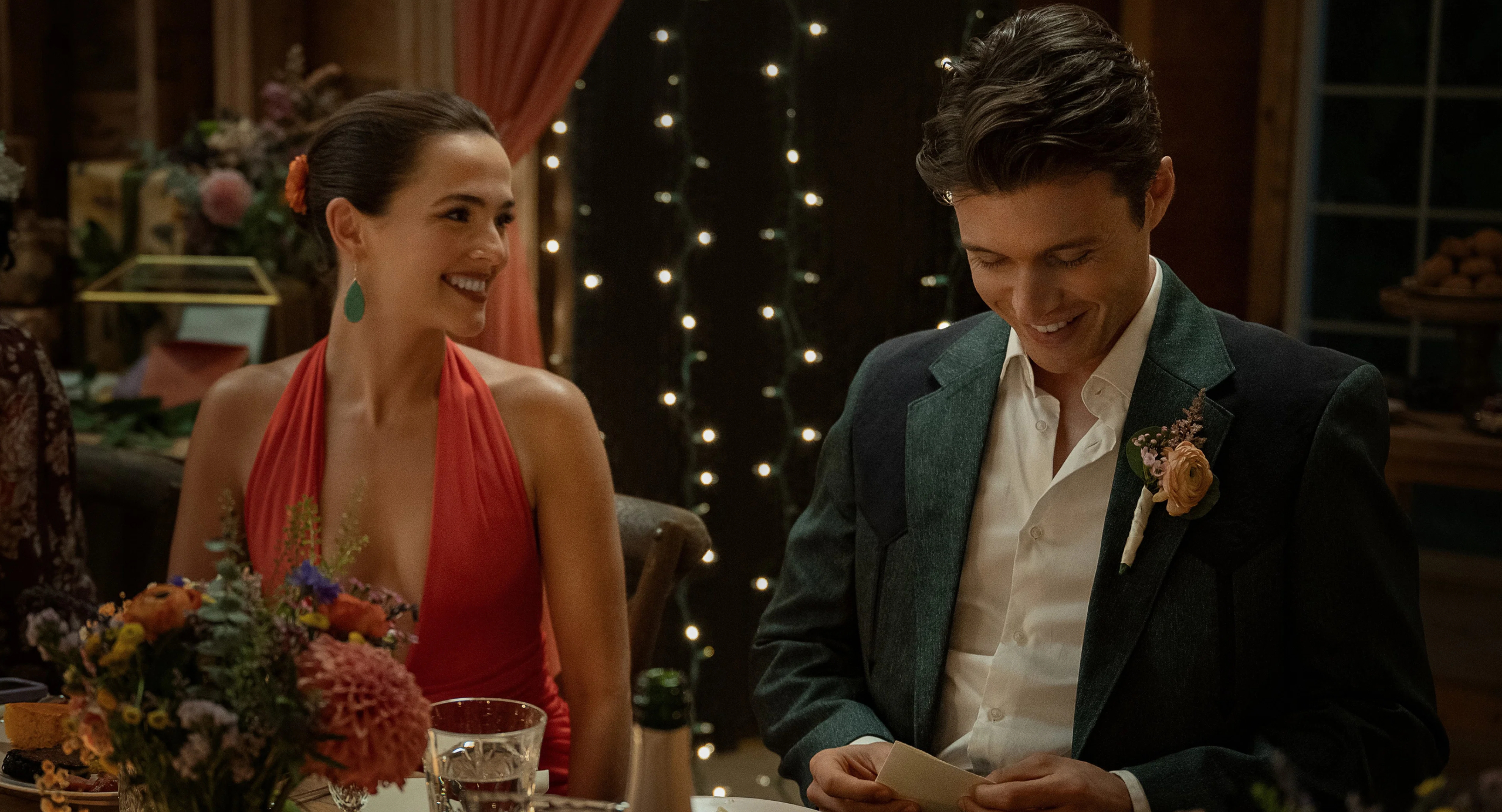
There is an undeniable sweetness to Voicemails for Isabelle, a romantic comedy that arrives carrying grief in one hand and a meet-cute in the other. Written and directed by Leah McKendrick, the film aims for something emotionally textured: a story about loss, memory, and the strange ways people become attached to one another. With Zoey Deutch and Nick Robinson leading the cast, there is enough charisma on screen to keep the movie moving even when its ideas become difficult to reconcile. But while the film consistently wants to feel heartfelt and whimsical, its execution leaves it suspended in an awkward middle ground—too emotionally serious to function as breezy romantic escapism, yet too committed to romantic-comedy conventions to fully explore its heavier themes.
The premise is undeniably compelling. Jill (Deutch), an aspiring baker living in San Francisco, loses her sister Isabelle unexpectedly and begins leaving voicemails to Isabelle’s old phone number as a way of preserving their relationship. Unknown to Jill, that number now belongs to Wes (Robinson), a real estate agent back in Austin who starts listening to the messages and gradually becomes emotionally invested in the life of the woman leaving them.
That setup immediately raises questions that the film seems interested in exploring: where is the line between comfort and intrusion? Can grief create emotional intimacy with someone who was never meant to hear your thoughts? Unfortunately, the movie never fully commits to wrestling with those questions. Instead, it keeps redirecting itself toward familiar rom-com beats.
The opening stretch is easily the strongest part of the film. McKendrick does a convincing job establishing Jill’s world and communicating the routine intimacy she shared with Isabelle. The conversations feel lived in rather than overly sentimental, and Deutch sells Jill’s exhaustion and loneliness with a performance that never begs for sympathy. She makes Jill feel messy, impulsive, frustrated, and recognizable.
Deutch has built a career playing quick-witted, emotionally guarded characters, and she brings that same energy here. Even when the script pushes Jill into broad comedic situations, she grounds them enough that you understand where the character is emotionally.
The grief element works because the film understands that mourning rarely arrives in grand speeches. Jill’s voicemails become a ritual—a way of pretending that connection still exists. But once Wes becomes increasingly involved, the movie starts wobbling.
Robinson gives a gentle, likable performance, and he avoids making Wes feel intentionally creepy. That matters because the screenplay puts him in a difficult position. The audience is asked to accept behavior that feels invasive while still rooting for the romance. That balancing act never entirely succeeds.
Romantic comedies often ask viewers to accept unlikely circumstances. That is part of the genre’s charm. But Voicemails for Isabelle stretches suspension of disbelief in ways that become distracting. Wes listening to Jill’s messages once is understandable. Continuing to listen? Questionable. Building emotional attachment without revealing himself? Much harder to overlook.
The film knows this discomfort exists and periodically gestures toward it through supporting characters who challenge Wes’s decisions. Yet it never interrogates his actions deeply enough to make the eventual romantic payoff feel earned. Instead, it repeatedly insists on his sincerity as though sincerity alone resolves ethical complications.
That leaves Robinson carrying a difficult burden. He remains warm and appealing throughout, but charm cannot entirely bridge the gap between what the movie wants viewers to feel and what many will actually feel. The chemistry between Robinson and Deutch also ends up surprisingly inconsistent.
Their early interactions after meeting in person have flashes of genuine warmth. There is an easy rhythm between them during quieter moments, particularly when conversations move away from the voicemail gimmick and toward their personal insecurities.
But the screenplay rushes emotional milestones and relies heavily on montage-style bonding sequences instead of letting the relationship develop naturally.
As a comedy, the film is similarly uneven. There are moments that land—particularly Jill’s increasingly chaotic dating experiences and some of the workplace absurdity—but the humor often feels disconnected from the emotional tone.
The subplot involving Jill’s abusive chef boss, played by Nick Offerman, never quite works. Offerman has comic instincts that usually elevate material, but the character feels underwritten and tonally exaggerated compared with the rest of the movie. Meanwhile, Lukas Gage gets limited opportunity to leave an impression despite bringing energy to his scenes. The film becomes more interesting whenever it shifts focus toward Jill’s ambitions as a baker.
There is something appealing about seeing her gradually rediscover identity outside of grief and romance. Those sections feel like they belong to a more confident movie—one less interested in forcing a central relationship and more interested in showing someone rebuilding herself.
Ironically, the strongest emotional thread is not Jill and Wes. It is Jill and Isabelle. Even though Isabelle exists largely through memories and conversations, their bond gives the film emotional weight that the romance sometimes lacks.
One element that consistently works is the soundtrack.
The film understands how music can act as emotional shorthand without becoming manipulative. I especially liked hearing Taylor Swift’s “New Year’s Day” and “marjorie” worked into the soundtrack. Both choices fit the movie’s themes of memory, absence, and continuing connections after loss in a way that felt thoughtful rather than obvious. Those selections added texture to scenes that otherwise may have leaned too hard into sentimentality.
The closing stretch also contains some genuinely touching moments because the film finally slows down enough to let characters sit with change instead of racing toward another joke or romantic beat. Still, sentiment alone cannot fully smooth over structural issues.
Voicemails for Isabelle is a film with a genuinely affecting idea trapped inside a rom-com structure that does not always know how to support it.
There are moments where it feels like an insightful portrait of grief and how people preserve relationships after loss. There are other moments where it feels like a conventional romantic comedy trying to manufacture quirky charm around uncomfortable circumstances.
Zoey Deutch delivers the strongest work in the film and keeps it emotionally watchable even when the screenplay loses confidence. Nick Robinson does everything he can with a role that asks for a lot of audience goodwill. Together, they create enough sparks to make the movie passably engaging.
But in the end, Voicemails for Isabelle feels less memorable as a love story than as a story about the conversations we wish we could keep having.