Whistle – Film Review
Published February 8, 2026

Movie Details

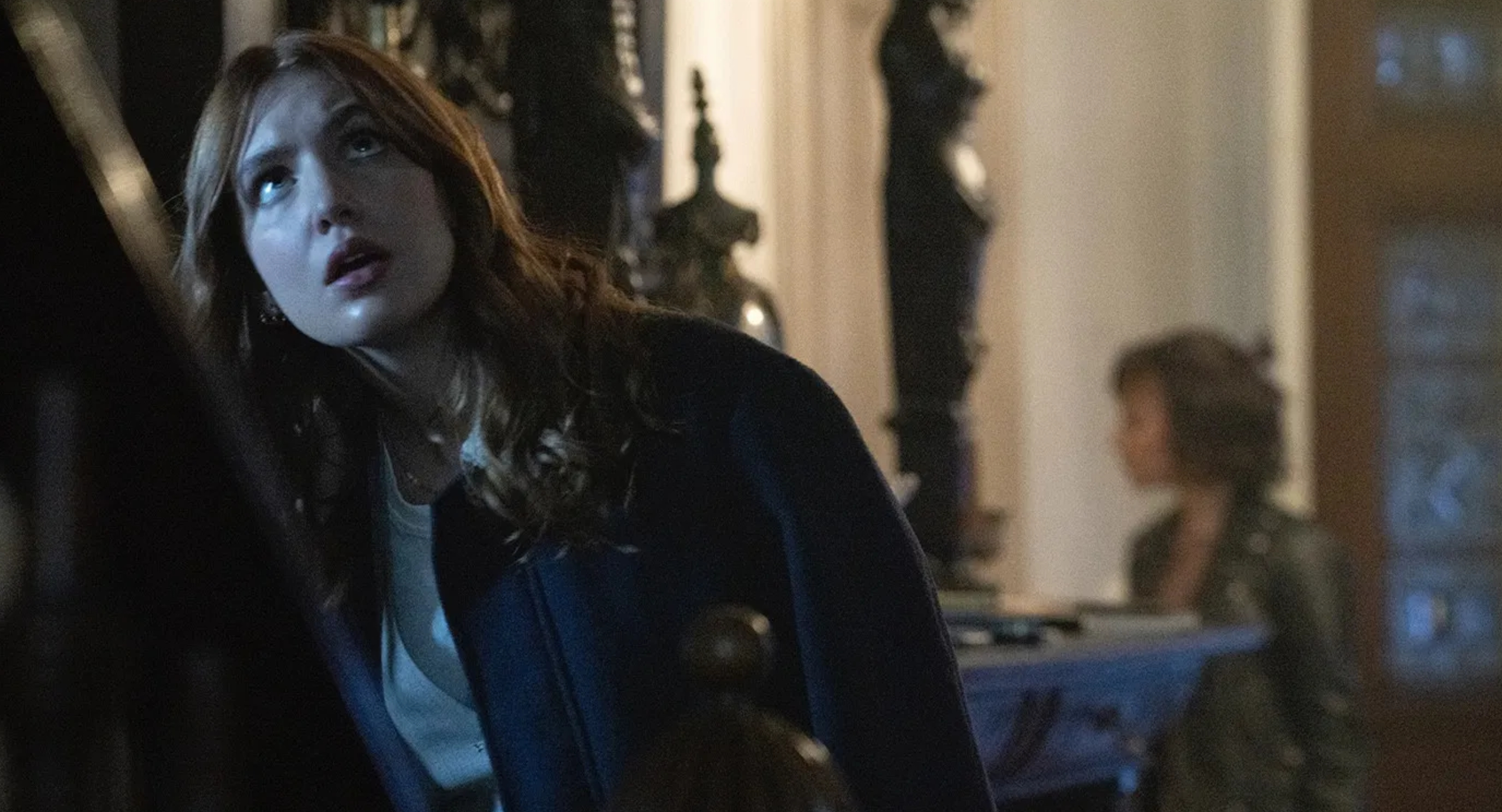
Corin Hardy’s Whistle arrives with a premise so simple and sinister it practically markets itself: a group of teenagers discover an ancient Aztec death whistle, and each time it’s blown, it summons the embodiment of their own future deaths. What follows is a supernatural horror film that blends teen ensemble dynamics with folkloric dread, channeling shades of Final Destination while carving out an identity of its own. Though it occasionally leans too heavily on genre familiarity and stumbles with uneven dialogue, Whistle ultimately delivers a chilling, atmospheric ride powered by strong performances and inventive, nerve-shredding set pieces.
Hardy, known for his visually stylish horror sensibilities, wastes no time establishing a mood of unease. The opening scene is a masterclass in tension-building. Set decades earlier, it introduces the cursed whistle through a harrowing sequence that unfolds with deliberate pacing and mounting dread. The scene thrives on what it withholds as much as what it shows, letting the eerie, human-like shriek of the whistle cut through silence like a blade. It’s a gripping prologue that promises a film deeply committed to suspense—and for the most part, it delivers.
The story centers on Chrys Willet (Dafne Keen), a guarded and sharp-witted outsider still reeling from personal trauma. Alongside her cousin Rel (Sky Yang), and classmates Ellie (Sophie Nélisse), Dean (Jhaleil Swaby), and Grace (Ali Skovbye), Chrys stumbles upon the ancient artifact during what initially feels like a harmless adventure. But once the whistle is blown, strange occurrences escalate quickly, and the group realizes something horrifying: the shriek doesn’t just signal danger—it calls it forth.
If the premise sounds familiar, that’s because it is. The concept of young people being hunted by inevitable death has become a recognizable horror blueprint over the past two decades. Whistle doesn’t radically reinvent the formula. The escalating body count, the investigative subplot into the artifact’s origins, and the moral reckoning of tampering with forces beyond comprehension all tread well-worn territory. However, what keeps the film compelling is its execution.
Hardy’s atmosphere is thick with dread. From dimly lit school hallways to desolate wooded outskirts, the film creates a palpable sense of looming doom. The sound design deserves particular praise. The whistle’s shriek is more than a jump scare device; it’s an auditory omen that signals something profoundly unnatural. Its distorted, almost human wail lingers long after it fades, becoming a psychological trigger for both characters and audience. The film’s cinematography complements this mood, draping scenes in shadow and muted tones that reflect the characters’ growing despair.
Performance-wise, Whistle benefits tremendously from its young leads. Dafne Keen anchors the film with a performance that balances toughness and vulnerability. Chrys is not your typical horror protagonist; she’s layered, emotionally guarded, and at times abrasive, but Keen makes her compelling. Her reactions to the escalating terror feel authentic, grounding the supernatural chaos in genuine fear and determination.
Sophie Nélisse’s Ellie serves as the emotional counterweight. Where Chrys is hardened, Ellie is empathetic and introspective. Nélisse brings warmth and subtlety to the role, particularly in the film’s quieter moments when the characters grapple with the inevitability of their fates. The chemistry between Keen and Nélisse is one of the film’s strongest assets, lending credibility to the friendships at the center of the narrative.
The supporting cast also contributes effectively. Sky Yang’s Rel injects humor and nervous energy without undermining the stakes, while Jhaleil Swaby and Ali Skovbye each get moments to shine as the threat closes in. Veteran performers Michelle Fairley and Nick Frost appear in more limited roles, adding gravitas and intrigue to the unfolding mystery surrounding the whistle’s origins. Their involvement helps flesh out the lore, even if some of the exposition feels slightly rushed.
Where Whistle truly distinguishes itself is in its kill sequences. The manifestations of each character’s “future death” are not uniform specters but personalized harbingers, shaped by the manner in which they are destined to die. This concept allows Hardy to stage inventive, visually arresting encounters that go beyond simple jump scares. The deaths are suspenseful, sometimes brutal, and creatively conceived, often unfolding in ways that subvert expectations. Rather than relying solely on shock value, many of these scenes are constructed like miniature horror set pieces, complete with escalating tension and grim inevitability.
Still, the film is not without its flaws. The first act, after its explosive opening, takes a bit of time to find momentum. The group dynamics and initial discovery of the artifact feel somewhat routine, and certain dialogue exchanges veer into cliché territory. There are moments when characters articulate themes or fears in ways that feel more scripted than natural, slightly undercutting the otherwise immersive atmosphere.
Additionally, while the film’s familiarity offers comfort for genre fans, it also limits its impact. The structure adheres closely to established horror beats: disbelief, research montage, temporary hope, and devastating consequence. Viewers well-versed in supernatural thrillers may find themselves predicting certain developments before they unfold. The script by Owen Egerton, though engaging and conceptually strong, occasionally leans on recognizable tropes instead of pushing the mythology further into uncharted territory.
Even so, the investigative thread involving the whistle’s Aztec origins adds an intriguing cultural dimension. The film treats the artifact with a degree of reverence rather than using it as mere exotic window dressing. As the characters dig deeper into its history, the narrative hints at cycles of violence and colonial appropriation, suggesting that the whistle’s curse is intertwined with humanity’s longstanding exploitation of ancient power. While this theme isn’t explored as deeply as it could be, its presence enriches the story.
The climax embraces chaos without descending into incoherence. Hardy stages the final confrontations with kinetic energy, weaving together emotional stakes and supernatural spectacle. The resolution avoids easy answers, opting instead for an ending that feels earned, if slightly bittersweet.
Ultimately, Whistle succeeds because it understands what makes horror resonate: tension, atmosphere, and characters worth caring about. It may not redefine the genre, and its pacing and dialogue occasionally falter, but its strengths outweigh its weaknesses. The opening sequence hooks you immediately, the atmosphere sustains a constant undercurrent of dread, and the performances—particularly from Dafne Keen and Sophie Nélisse—anchor the supernatural premise in human emotion. It’s a chilling reminder that some sounds, once unleashed, can never truly be silenced.