The Super Mario Galaxy Movie – Film Review
Published April 3, 2026

Movie Details

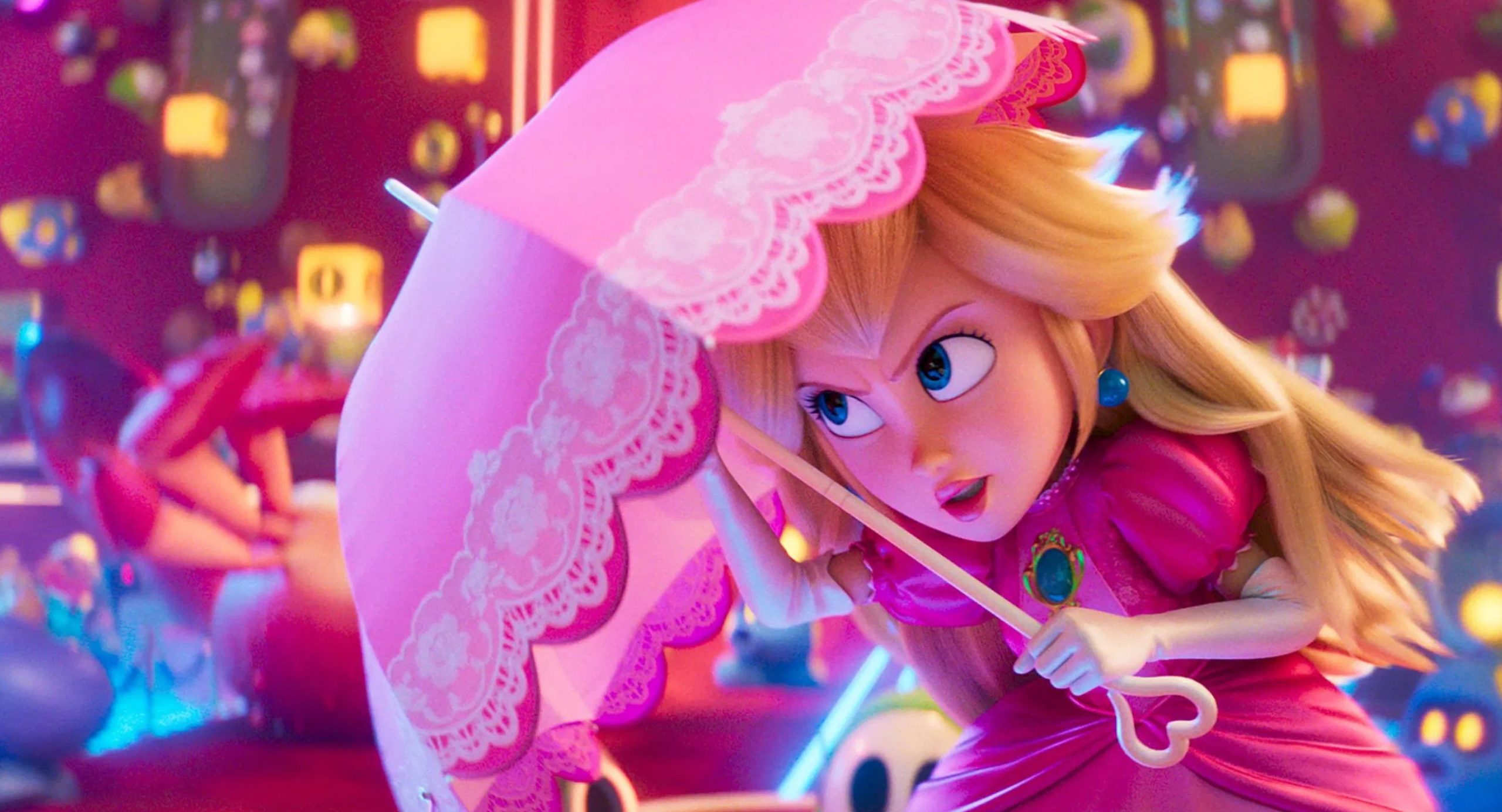
Following the massive success of The Super Mario Bros. Movie, Illumination and Nintendo return with an even bigger, more ambitious sequel in The Super Mario Galaxy Movie. Drawing inspiration from the beloved games Super Mario Galaxy and Super Mario Galaxy 2, the film trades the colorful familiarity of the Mushroom Kingdom for the vast, unpredictable expanse of outer space. Directed by Aaron Horvath and Michael Jelenic and written by Matthew Fogel, this sequel sets its sights high—sometimes dazzlingly so—but ultimately struggles to maintain the tight storytelling that made its predecessor such a crowd-pleaser.
There’s no denying that The Super Mario Galaxy Movie is entertaining. It moves with a hyperactive energy that rarely lets up, throwing set piece after set piece at the audience with an enthusiasm that mirrors the chaotic joy of the games. From gravity-defying platforming sequences to vibrant alien worlds teeming with life, the film thrives when it embraces spectacle. The sense of scale is notably larger this time around, and Illumination clearly relishes the opportunity to push Mario and friends into visually inventive territory.
Much of that success comes from the animation itself, which is once again top-tier. Illumination leans into a cosmic palette filled with glowing nebulae, shimmering stardust, and wildly imaginative planetary designs. Each galaxy feels distinct, with its own visual identity and physics-bending logic that keeps the action fresh. The animators translate the whimsical mechanics of the source material into cinematic language with impressive fluidity, creating sequences that feel both faithful and cinematic rather than simply mimicking gameplay.
Returning voice actors bring a welcome sense of continuity. Chris Pratt’s Mario remains energetic and earnest, while Charlie Day continues to inject Luigi with anxious charm. Jack Black once again steals scenes as Bowser, delivering a performance that balances comedic absurdity with surprising emotional beats. However, it’s Anya Taylor-Joy who stands out the most this time around. Her portrayal of Princess Peach builds on the confident, capable leader established in the first film, giving the character even more agency and emotional grounding. She remains one of the film’s strongest assets, anchoring the chaos with a sense of purpose.
The expanded cast adds new flavors to the story, though not all of them are given equal opportunity to shine. Brie Larson steps into the role of Rosalina, a fan-favorite character from the Galaxy games, bringing a gentle, ethereal quality to the performance. Unfortunately, despite her importance to the premise, Rosalina feels underutilized. The film introduces compelling ideas surrounding her backstory and connection to the cosmos, but it rarely lingers long enough to fully explore them. This results in a character who feels more like a narrative device than a fully realized presence.
That issue ties into one of the film’s most significant shortcomings: its pacing. The story moves at such a relentless speed that it often sacrifices coherence and emotional resonance. Major plot developments come and go with little time to breathe, and transitions between locations can feel abrupt. While the constant motion keeps the film engaging on a surface level, it also prevents deeper investment in the stakes. Compared to The Super Mario Bros. Movie, which balanced its fast pace with a clear narrative throughline, this sequel feels more scattered.
The narrative itself, while packed with ideas, doesn’t quite come together in a satisfying way. The film attempts to juggle multiple storylines—Mario and Luigi’s heroics, Peach’s journey, Rosalina’s plight, and Bowser’s evolving dynamic with his son—but the execution feels uneven. Some threads are given more attention than others, leading to an experience that can feel disjointed. The emotional arcs, while present, lack the clarity and impact needed to elevate the story beyond its episodic structure.
That said, the film does excel in its humor and fan service. The comedic timing remains sharp, with plenty of visual gags and character-driven jokes that land effectively. The inclusion of references and easter eggs from across the Mario franchise is particularly satisfying for longtime fans. Whether it’s familiar enemies, iconic power-ups, or subtle nods to lesser-known corners of the series, the film is packed with details that reward attentive viewers without overwhelming newcomers.
The action sequences are another highlight, often blending humor and creativity in ways that feel true to the spirit of the games. Gravity-shifting battles and inventive uses of power-ups keep the choreography dynamic, even if the rapid pacing occasionally undercuts their impact. There’s a sense of playfulness throughout these moments that captures what makes Mario such an enduring property.
Still, the film can’t quite escape the shadow of its predecessor. The Super Mario Bros. Movie succeeded by keeping things simple and focused, allowing its characters and world to shine without overcomplicating the narrative. In contrast, The Super Mario Galaxy Movie aims bigger but loses some of that clarity along the way. The ambition is admirable, but the execution doesn’t always support it.
Another missed opportunity lies in the emotional core of the story. The relationship dynamics—particularly those involving Rosalina and the broader themes of family and belonging—have the potential to add depth, but they’re often overshadowed by the film’s constant forward momentum. Moments that should resonate emotionally are rushed, making it difficult for them to leave a lasting impression.
Despite these issues, the film remains an enjoyable ride. Its visual splendor, energetic performances, and commitment to delivering a fun, fast-paced adventure ensure that it rarely feels dull. Younger audiences, in particular, are likely to be swept up in its colorful chaos, while longtime fans will appreciate the abundance of references and the expansion of the Mario universe into new territory.
In the end, The Super Mario Galaxy Movie is a sequel that reaches for the stars but doesn’t fully grasp them. It’s undeniably entertaining and visually impressive, with standout contributions from Anya Taylor-Joy and a wealth of fan-pleasing details. However, its sloppy pacing, underdeveloped elements—especially Rosalina—and a story that doesn’t quite match the strength of the first film hold it back from true greatness.