The Luck of the Irish – Film Review
Published March 17, 2026

Movie Details

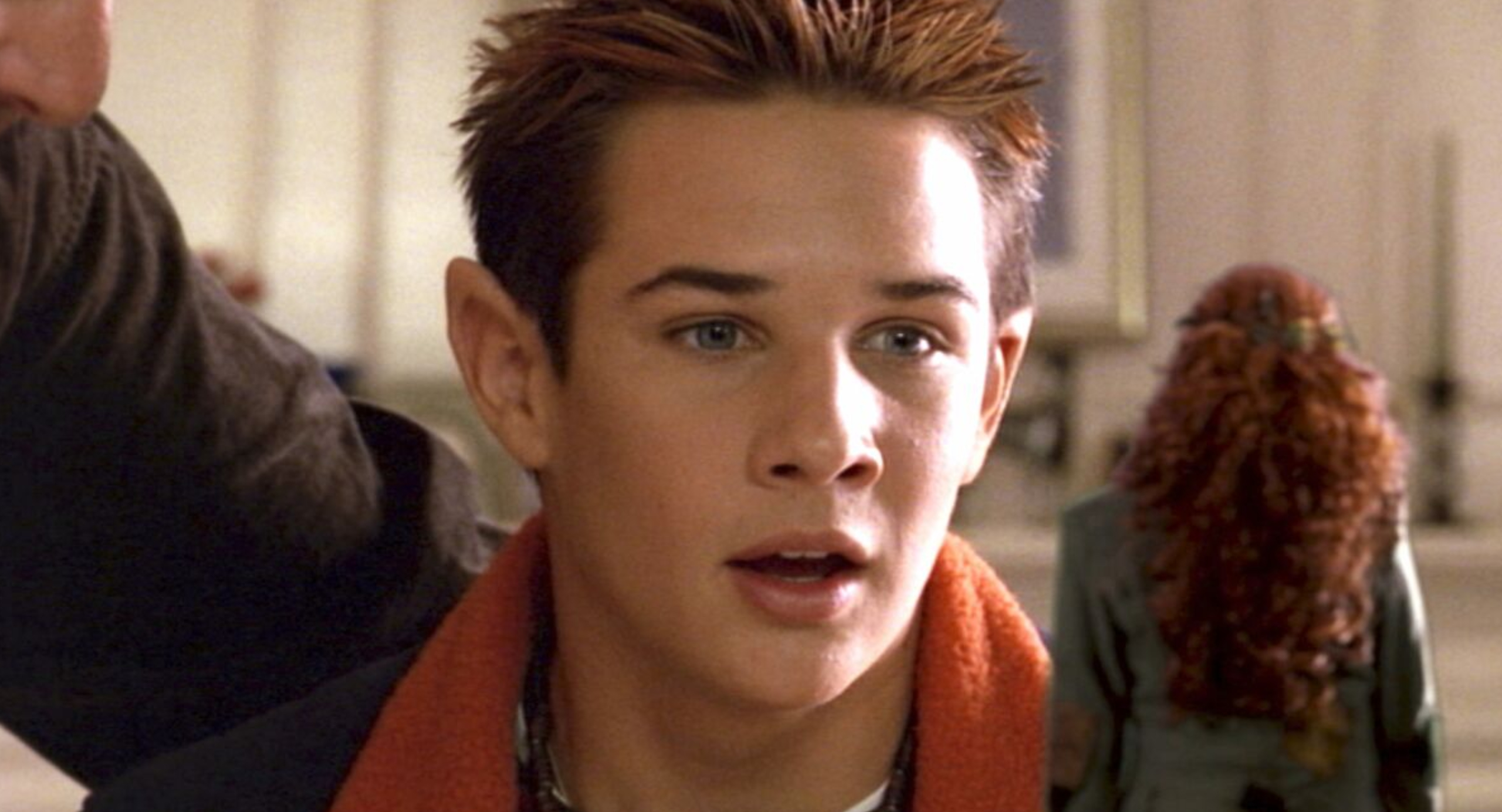
Released during the golden era of Disney Channel Original Movies, The Luck of the Irish remains a nostalgic staple for many viewers who grew up in the early 2000s. Directed by Paul Hoen and starring Ryan Merriman, Timothy Omundson, and Alexis Lopez, the film blends fantasy, teen drama, and family comedy into a lighthearted story about identity, heritage, and self-acceptance. While it delivers charming moments and an earnest message, its uneven tone and familiar storytelling prevent it from reaching the heights of Disney’s most memorable productions.
The Luck of the Irish follows Kyle Johnson (Merriman), a popular high school basketball player whose seemingly perfect life begins to unravel when he discovers that his family is secretly Irish — and, more specifically, descended from leprechauns. This revelation sets off a chain of supernatural events that strip Kyle of his good fortune and force him to confront his true identity.
The film’s premise is undeniably whimsical. The idea of a teenager discovering magical roots tied to Irish folklore is both imaginative and accessible, especially for a younger audience. Disney Channel films often rely on high-concept hooks, and this one is no exception. What makes it appealing is how the fantasy element intersects with universal teenage concerns such as fitting in, maintaining popularity, and understanding family history.
However, the storyline rarely ventures beyond predictable territory. From the moment Kyle’s luck begins to fade, viewers can anticipate the broad trajectory of the narrative. The film leans heavily on a conventional “lesson-learning” structure: the protagonist loses something valuable, undergoes personal growth, and ultimately regains a stronger sense of self. While this approach is effective in conveying a clear moral, it also limits the story’s ability to surprise or challenge its audience.
Ryan Merriman delivers a likable and relatable performance as Kyle. His portrayal captures the character’s frustration and confusion without veering into melodrama, making him an easy protagonist to root for. Merriman’s natural screen presence helps ground the film’s more fantastical elements, allowing viewers to stay emotionally invested even when the plot becomes overly whimsical.
Timothy Omundson stands out as the antagonist Seamus McTiernen, a scheming leprechaun who seeks to reclaim his stolen luck. Omundson embraces the theatricality of the role, injecting humor and menace in equal measure. His exaggerated expressions and sly delivery provide much of the film’s comedic energy, ensuring that the villain remains entertaining rather than threatening.
Supporting performances from Alexis Lopez and Kyle’s on-screen family add warmth to the narrative, though many of these characters feel underdeveloped. The script offers only brief glimpses into their personalities, often reducing them to narrative devices that serve Kyle’s journey. Even so, the cast’s collective charm helps maintain the film’s upbeat tone.
One of the film’s most admirable qualities is its emphasis on cultural identity. Kyle’s struggle to accept his Irish heritage mirrors the real-world experiences of many young viewers who grapple with understanding their roots. By framing this journey within a fantastical context, the film makes potentially complex themes approachable and engaging.
The narrative also explores the concept of luck versus hard work. Kyle initially attributes his success on the basketball court to natural talent, only to realize that supernatural luck has played a significant role. This revelation forces him to reevaluate his sense of achievement and encourages viewers to consider the importance of perseverance and self-belief.
Despite these thoughtful ideas, the film sometimes oversimplifies its message. Cultural heritage is portrayed largely through stereotypical imagery — shamrocks, Irish music, and exaggerated folklore — rather than nuanced storytelling. While this approach suits the lighthearted tone, it also limits the film’s depth and authenticity.
From a production standpoint, The Luck of the Irish exemplifies early-2000s Disney Channel aesthetics. Bright colors, energetic editing, and playful special effects create a lively atmosphere that appeals to younger audiences. The film’s depiction of magical transformations and shrinking leprechauns, though dated by today’s standards, retains a certain nostalgic charm.
Director Paul Hoen maintains a brisk pace, ensuring that the story rarely lingers too long on any single plot point. This momentum keeps viewers engaged, but it also contributes to a sense of superficiality. Emotional moments are often resolved quickly, leaving little room for reflection or character development.
The basketball sequences serve as a recurring visual motif, symbolizing Kyle’s connection to both his human and magical worlds. While these scenes are competently staged, they lack the intensity or creativity needed to stand out. Instead, they function primarily as narrative placeholders between comedic and fantastical moments.
Comedy plays a central role in the film’s appeal. Much of the humor arises from Kyle’s awkward attempts to hide his shrinking height and newfound quirks, as well as Seamus’s mischievous antics. These moments are generally effective, eliciting light laughs rather than uproarious reactions.
However, the film occasionally struggles to balance its comedic and dramatic elements. Scenes that aim to convey genuine emotional stakes are sometimes undercut by abrupt jokes or exaggerated performances. This tonal inconsistency prevents the story from achieving the emotional resonance it seems to seek.
Still, for a family-oriented fantasy, the humor remains accessible and wholesome. The film avoids cynicism, opting instead for an earnest optimism that aligns with Disney Channel’s brand identity.
Ultimately, The Luck of the Irish succeeds as a breezy piece of entertainment that delivers a positive message about embracing one’s heritage. Its imaginative premise, charming performances, and nostalgic visual style make it an enjoyable watch, particularly for those who grew up during the early days of Disney Channel Original Movies produced by Disney Channel.
Yet the film’s reliance on predictable storytelling, stereotypical cultural depictions, and limited character depth prevents it from reaching its full potential. It feels like a story that could have explored richer emotional terrain but instead settles for safe, formulaic territory.
As a result, The Luck of the Irish stands as a pleasant but ultimately modest entry in Disney’s catalogue — a film that entertains without leaving a lasting impact. For viewers seeking lighthearted fantasy and a touch of nostalgia, it offers a satisfying experience. For those hoping for greater complexity or innovation, it may feel somewhat underwhelming.
