Silent Night, Deadly Night – Film Review
Published December 10, 2025

Movie Details

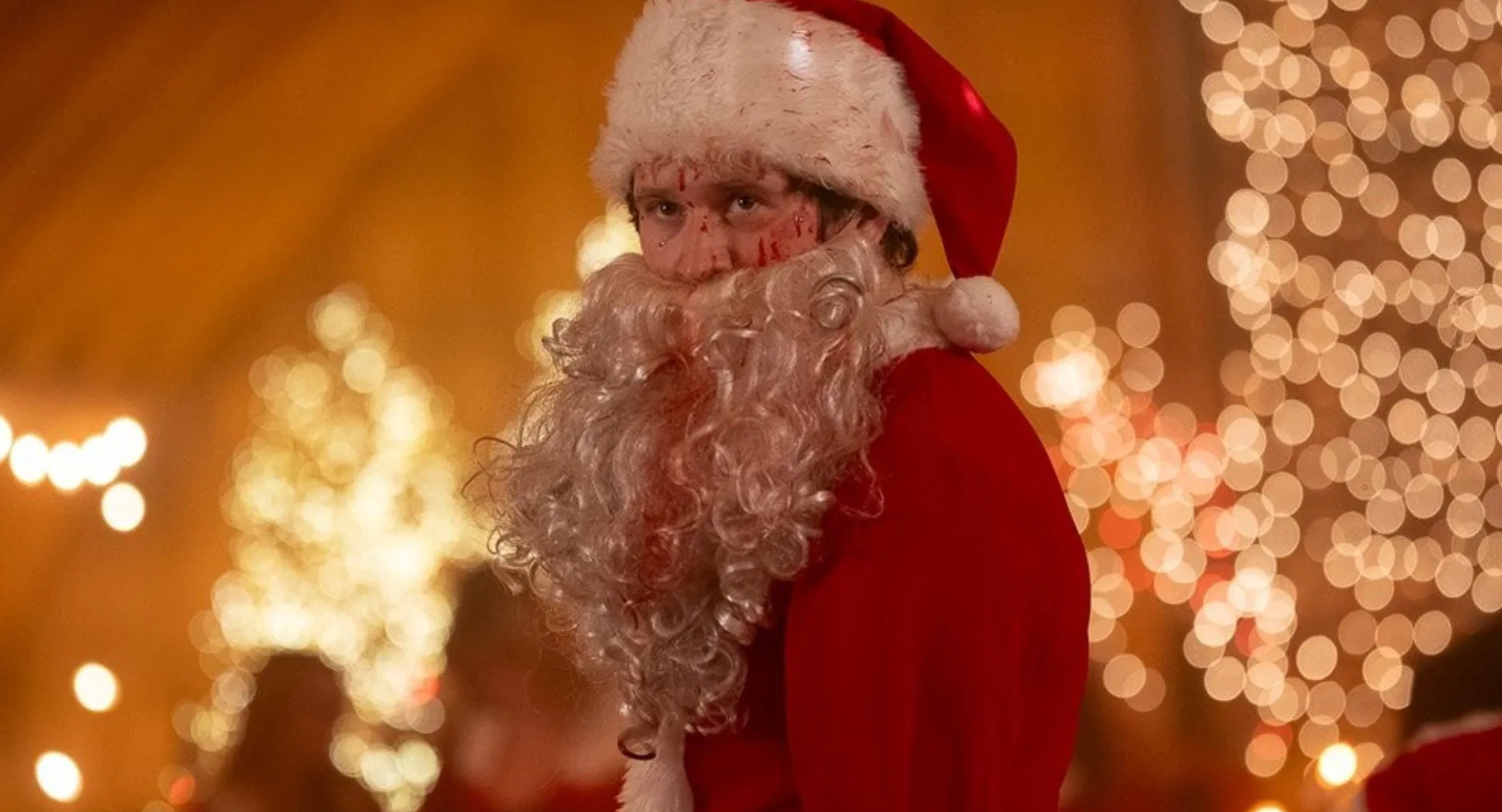
Mike P. Nelson’s Silent Night, Deadly Night (2025) is both a modern reimagining and a continuation of one of horror’s most enduringly controversial franchises. As the seventh overall installment—and the second remake of the 1984 cult classic—it carries the burden of honoring what fans love while carving out a fresh identity. With Nelson at the helm as both writer and director, this new take leans into a moodier, more psychological vision, blending tragic character study with seasonal carnage. The results are mixed, offering a well-acted and handsomely shot slasher experience that sometimes stumbles under its own seriousness. The film is buoyed by strong performances, memorable kills, and a striking finale, yet held back by pacing issues and a noticeable lack of the campy charm that helped make the original films infamous.
Rohan Campbell steps into the iconic role of Billy Chapman with impressive emotional nuance, giving the film its strongest asset. This iteration of Billy is not merely a traumatized young man turned “Killer Santa”—he’s a shell-shocked loner, a wandering soul caught in a cycle of ritualized violence. Nelson’s script deepens Billy’s psychology, showing flashbacks of his parents’ murder on Christmas Eve with grim clarity and lingering cinematic stillness. Campbell plays Billy as someone who genuinely does not know if he wants salvation or damnation, and that central tension fuels much of the film’s dramatic heft.
Billy’s transformation into a symbol of seasonal terror is treated methodically rather than explosively. Instead of the abrupt descent seen in earlier iterations, this Billy spirals slowly, almost reluctantly. Campbell’s performance carries a softness and vulnerability that contrast sharply with the brutality of his actions. While some fans of the franchise may prefer a more explosive, iconic villain, Campbell brings humanity that gives this remake a distinct dramatic edge.
The film’s core emotional thread arrives with Ruby Modine’s character, Pamela “Pam” Varo, a compassionate but guarded young woman who inadvertently crosses paths with Billy. Modine, who brings natural depth to every role she takes, elevates Pam into something more than the archetypal “final girl.” She and Campbell share a subdued, complicated chemistry—marked less by romance and more by recognition of each other’s brokenness.
Pam isn’t framed as a savior so much as a mirror. Her presence forces Billy to contend not only with his bloodlust but with the fragments of innocence he has left. Modine delivers a grounded, empathetic performance, and the emotional beats between her and Billy provide a compelling dramatic counterpoint to the violence. While the film’s advertising leans heavily into the “killer meets love” angle, Nelson uses it sparingly, making these interactions feel like breathers rather than distractions.
One of the film’s clearest strengths lies in its cinematography. Nelson collaborates with cinematographer Nick Junkersfeld to craft a Christmas aesthetic that is both foreboding and beautiful. Warm lights flicker ominously across snow-soaked landscapes, interiors glow with unsettling warmth, and every frame feels deliberately composed, lending the film a prestige-horror polish. The visual style leans into icy blues and saturated reds, creating a vivid holiday nightmare that honors the series’ roots while modernizing its look.
However, the atmospheric approach comes with a drawback: pacing. Silent Night, Deadly Night often moves at a deliberate crawl, investing heavily in character building and mood. While this aligns with Nelson’s vision of a more psychological slasher, the slow pacing risks losing the momentum that typically gives holiday-themed horror its pulpy fun. Some stretches feel overly drawn out, and viewers expecting a brisk, blood-soaked romp may find themselves waiting too long for the film to kick into gear.
Fans of the original 1984 film—and even of the 2012 remake—will likely notice the tonal shift immediately. Gone are the gleefully outrageous kill sequences, over-the-top performances, and darkly comedic sensibilities that defined the franchise’s cult appeal. Nelson’s film takes itself quite seriously, perhaps too seriously for a property built on the tension between holiday cheer and absurd, gleeful violence.
While the decision to go darker and more emotional is bold, it also strips away some of the franchise’s signature charm. The original films had an unapologetic campiness—a mix of absurdity and inspiration—that made them memorable despite their flaws. This 2025 installment is competently made and dramatically engaging, but it doesn’t fully replicate that anarchic spirit. Fans seeking the cheeky “Naughty!” energy of classic Billy may find the remake a bit too restrained.
Where the film does honor its slasher heritage is in its kills. Nelson stages each kill with creativity and flair, often using Christmas-themed props or settings to punctuate the violence. Whether it’s a garland garrote, a sharpened candy cane, or the strategic use of holiday décor, the kills are imaginative, gruesome, and satisfyingly practical. Nelson avoids overreliance on CGI, giving the violence a visceral, physical weight.
These sequences inject adrenaline whenever the pacing starts to lag, and they remind viewers why the franchise built such a dedicated horror following. Billy’s methods feel methodical yet savage, and Campbell performs the physicality with conviction. The kill scenes strike the perfect balance between brutality and showmanship, standing among the film’s most memorable contributions to the series.
Among the supporting cast, Mark Acheson brings gruff warmth to the role of Charlie, who adds texture and history to the narrative. David Lawrence Brown provides a steady presence, though his role feels somewhat underdeveloped. David Tomlinson shines as Max Benedict, a villain whose sinister intentions and manipulative demeanor offer a human threat that parallels Billy’s monstrous one. Tomlinson’s performance adds tension and thematic resonance, though the script doesn’t explore his character as deeply as it could.
The film’s ending stands among its greatest strengths. Without revealing spoilers, Nelson crafts a finale that is bold, emotional, and visually gripping. It ties together the film’s themes of trauma, love, and cyclical violence in a way that feels both tragic and strangely hopeful. The ending lingers, offering a poetic echo that adds weight to the narrative and helps justify the film’s slower burn. It’s a memorable note to close on—one that elevates the overall experience.
Mike P. Nelson’s Silent Night, Deadly Night is a thoughtful, visually rich, and emotionally grounded reimagining that offers strong performances and memorable kills. While it lacks the campy charm and brisk pacing that made earlier entries fun, it compensates with psychological depth, atmosphere, and a haunting final act. For longtime fans, the film may feel like a bold but imperfect departure. For newcomers, it’s a solid holiday horror story with enough brutality and beauty to leave a lasting impression.