Scream 7 – Film Review
Published February 28, 2026

Movie Details

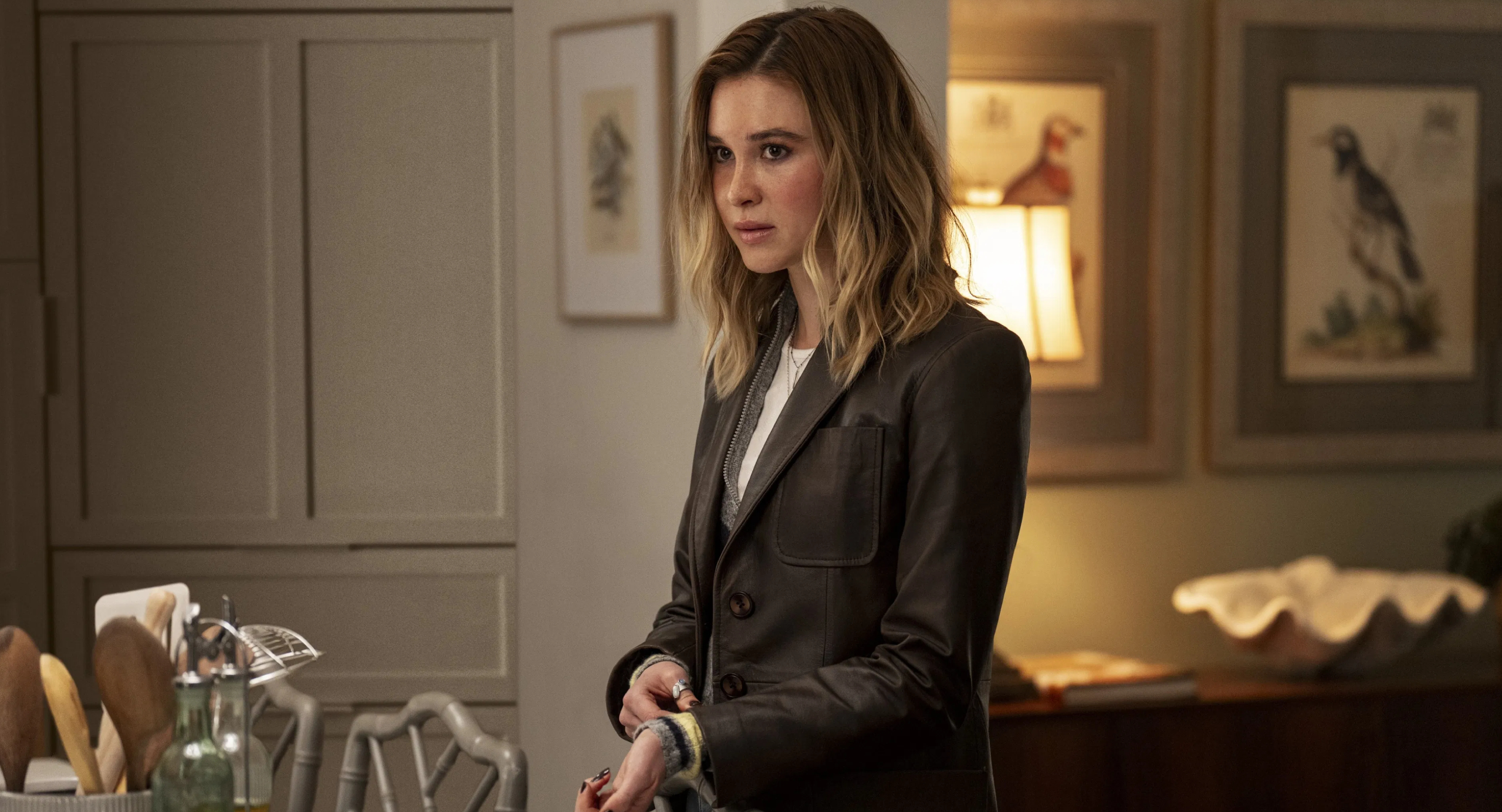
Few horror franchises have balanced reinvention and nostalgia as deftly as the Scream series. Beginning with 1996’s razor-sharp original and revitalized with 2022’s legacy sequel, the property has long thrived on self-awareness and cultural commentary. In Scream 7, original film writer Kevin Williamson steps into the director’s chair and co-writes alongside Guy Busick, from a story by James Vanderbilt and Busick. The end result? A strangely inert slasher that misunderstands what made this franchise special in the first place.
The return of legacy players is undeniably appealing on paper. Neve Campbell reprises her iconic role as Sidney Prescott, joined by Courteney Cox as Gale Weathers, David Arquette, Matthew Lillard, Jasmin Savoy Brown, and Mason Gooding. The ensemble is further bolstered by newcomers including Isabel May, Anna Camp, Mckenna Grace, and Joel McHale. Yet despite this stacked cast and a premise centering on a new Ghostface targeting Sidney’s teenage daughter, the film never captures the franchise’s former bite.
From its opening sequence—set once again in Woodsboro—the movie signals an intent to revisit the past. However, instead of subverting expectations or skewering contemporary horror culture, the prologue feels like a rote imitation of better entries. There’s an attempt to resurrect old mythologies and lean into franchise lore, but it comes across as fan service without insight. The kills are brutal and staged with a degree of visceral flair, yet they lack the tension and narrative propulsion that once defined the series.
The film shifts focus to Sidney’s new life in Pine Grove, Indiana, where she has built a quiet existence with her family. The central hook—Ghostface targeting her daughter Tatum—should create immediate emotional stakes. Instead, the script stretches this premise thin, meandering through scenes that feel more procedural than suspenseful. What should be a nerve-shredding cat-and-mouse game often devolves into repetitive phone calls and chases that feel strangely low-energy.
One of the franchise’s hallmarks has always been its meta commentary. From dissecting horror tropes to satirizing sequel culture and toxic fandom, previous films used their slasher framework to say something about the genre and the moment. Scream 7 largely abandons that identity. The dialogue occasionally gestures toward modern concerns like deepfakes and digital identity, but these ideas are never fully explored. Instead of sharp wit and cultural critique, we get exposition-heavy conversations that lack humor and bite.
The absence of meaningful meta commentary leaves the film feeling hollow. Without that layer of self-awareness, Scream 7 becomes just another slasher. And as a straightforward slasher, it struggles to compete. The pacing is sluggish, particularly in the second act, where scenes drag without escalating tension. Long stretches pass without genuine thrills, making the eventual confrontations feel less like climactic payoffs and more like obligatory checkboxes.
Visually, the film is disappointingly generic. The cinematography lacks personality, relying on flat lighting and uninspired framing that diminish the impact of key sequences. Previous installments found ways to make suburban homes, college campuses, and even urban landscapes feel ominous. Here, the settings blend together in a blur of dim interiors and unremarkable streets. For a series known for stylish set pieces, this entry feels strangely muted.
Characterization is another major stumbling block. Sidney Prescott has always been resilient and resourceful, but here she often feels reactive rather than proactive. Her decisions sometimes seem dictated by plot necessity rather than character logic. Gale Weathers, once a razor-sharp journalist with a complicated moral compass, is reduced to a more conventional supporting role. Even returning characters like Mindy and Chad feel slightly off, their personalities flattened into caricatures of their former selves. The sense that these characters are behaving out of character is difficult to ignore.
Where the film does succeed is in its kill sequences. When Ghostface strikes, the brutality is palpable. The choreography of the attacks is sharp, and the practical effects deliver moments of genuine shock. These scenes briefly inject energy into the narrative, reminding viewers why the mask remains such an enduring horror icon. Unfortunately, these bursts of violence are isolated highlights in an otherwise languid runtime.
A standout performance comes from Isabel May as Tatum Evans. May brings vulnerability and determination to the role, convincingly portraying a teenager grappling with inherited trauma. Her emotional beats feel authentic, and she anchors several of the film’s more intense sequences. While the script doesn’t always give her the sharpest material, May elevates what’s on the page, suggesting that a future installment centered on her character could have potential—if handled with more creativity and focus.
Anna Camp also delivers a committed performance, though her character’s motivations strain plausibility. The film’s third act aims for operatic intensity, layering revelations and confrontations in rapid succession. Yet without a strong thematic foundation, these twists feel more exhausting than exhilarating. The climax, while violent and bombastic, lacks the cathartic release that defined earlier entries.
Perhaps the most disappointing aspect of Scream 7 is how safe it feels. For a franchise that built its reputation on deconstructing horror conventions, this installment rarely takes risks. It leans heavily on nostalgia without interrogating it, revisits familiar beats without reinventing them, and treats legacy characters with reverence rather than complexity. The result is a film that feels like it’s going through the motions.
There are glimpses of a more compelling movie buried within. The idea of generational trauma, of a final girl confronting the legacy she’s passed down to her child, is rich with potential. The incorporation of modern technology into Ghostface’s methods hints at timely commentary. But these threads remain underdeveloped, leaving the film feeling conceptually undercooked.
By the time the credits roll, Scream 7 leaves behind a sense of missed opportunity. It’s not devoid of entertainment—some kills land, and May’s performance provides a steady emotional center—but it lacks the wit, tension, and stylistic flair that once made this series essential viewing. For longtime fans, the nostalgia factor may offer fleeting satisfaction. For others, it may simply underscore how much sharper and more daring previous chapters were.
Scream 7 is a sequel that reunites beloved characters and delivers a handful of grisly set pieces, yet forgets that this franchise was never just about the mask and the knife. Without meaningful meta commentary, with generic cinematography, slow pacing, a lack of sustained thrills, and characters who feel misaligned with their histories, this latest chapter struggles to justify its existence. Ghostface may still stalk the screen, but the spirit that once animated the series feels conspicuously absent.