Hokum – Film Review
Published May 2, 2026

Movie Details

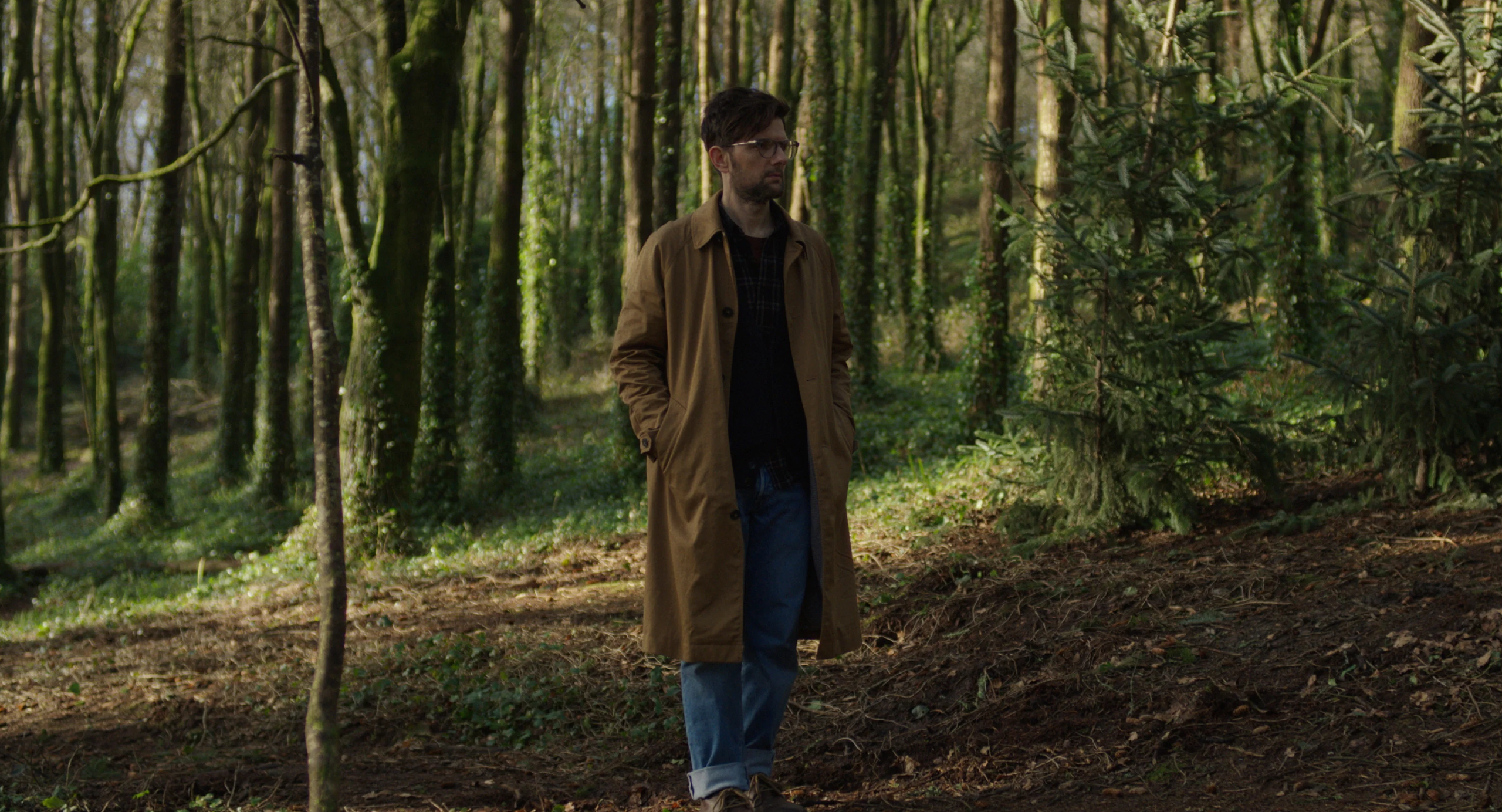
Hokum is the kind of horror film that sneaks up on you—not with cheap jolts or overused genre tricks, but with a slow, creeping sense of dread that tightens its grip scene by scene. Written and directed by Damian McCarthy, the film delivers an experience that feels both classical in its haunted-house DNA and refreshingly off-kilter in execution. It’s eerie, emotionally textured, and often deeply unsettling in ways that linger long after the credits roll.
The premise is deceptively simple: a struggling author retreats to a remote Irish hotel tied to his past, only to find himself unraveling in ways he cannot explain. But Hokum isn’t interested in straightforward storytelling. Instead, it leans into ambiguity, psychological horror, and supernatural terror in equal measure, creating a layered narrative that constantly keeps the audience guessing. Every time you think you’ve figured out where the story is heading, McCarthy pulls the rug out from under you.
A major reason the film works so effectively is Adam Scott, who delivers one of the finest performances of his career as Ohm Bauman. Known largely for his comedic work, Scott taps into something far more raw and unsettling here. His portrayal of a man teetering on the edge—emotionally distant, guilt-ridden, and increasingly unstable—is riveting to watch. He doesn’t just anchor the film; he becomes its emotional and psychological center, guiding the audience through its most disorienting moments with a performance that feels painfully authentic.
Scott’s chemistry with the supporting cast further elevates the film. Peter Coonan brings a quiet menace to Mal, while David Wilmot injects an unpredictable energy into Jerry, a character who could have easily been comic relief but instead becomes something far more complex and haunting. Even the smaller roles—played by Florence Ordesh, Michael Patric, Will O’Connell, Brendan Conroy, and Austin Amelio—feel purposeful, each adding texture to the film’s isolated, uneasy world.
Hokum is nothing short of stunning. The cinematography by Colm Hogan transforms the Bilberry Woods Hotel into a character in its own right—one that feels alive, watchful, and deeply sinister. Long, shadowy corridors stretch into darkness, dimly lit rooms seem to breathe with unseen presence, and the surrounding Irish landscape adds an extra layer of haunting beauty. The camera lingers just long enough to make you question what you’re seeing, often letting the fear build naturally rather than forcing it.
That emphasis on atmosphere is one of the film’s greatest strengths. Hokum thrives on tension rather than spectacle, crafting a pervasive sense of unease that never fully dissipates. There’s a constant feeling that something is wrong, even in quieter moments. The sound design plays a crucial role here as well—subtle creaks, distant echoes, and barely perceptible whispers create an auditory landscape that keeps viewers on edge.
When the film does deliver scares, they are genuinely excellent. McCarthy demonstrates a sharp understanding of timing and restraint, allowing dread to accumulate before unleashing moments that are both shocking and deeply unnerving. These aren’t throwaway jump scares; they’re carefully constructed sequences that feel earned and impactful. Some moments are so effectively staged that they border on nightmarish, sticking with you long after the scene ends.
Another standout element is the film’s unpredictability. Hokum refuses to follow a conventional horror blueprint, constantly shifting its tone and narrative focus in ways that feel organic rather than forced. It blends psychological horror with supernatural elements seamlessly, leaving the audience questioning what is real and what isn’t. This sense of uncertainty enhances the viewing experience, making it impossible to settle into a comfortable rhythm.
The screenplay also deserves praise for its willingness to explore darker emotional territory. While the film remains firmly within the horror genre, it doesn’t shy away from themes of guilt, grief, and personal reckoning. These elements add depth to the story, making the horror feel more personal and, in turn, more disturbing. McCarthy understands that the most effective scares often come from within, and Hokum reflects that philosophy throughout.
What’s particularly impressive is how the film balances its more abstract ideas with a compelling narrative drive. Even as it delves into ambiguity and psychological complexity, it never loses sight of its central story. There’s always a sense of forward momentum, a need to uncover what’s really happening within the hotel’s walls. This balance ensures that the film remains engaging from start to finish.
The pacing is deliberate but never sluggish. McCarthy takes his time building tension, allowing scenes to breathe and characters to develop, but he knows exactly when to escalate the intensity. The result is a film that feels meticulously crafted, with each moment serving a purpose in the larger narrative.
If there’s any criticism to be made, it’s that some viewers may find the film’s ambiguity frustrating. Hokum doesn’t offer easy answers, and its willingness to leave certain elements open to interpretation may not appeal to everyone. However, for those willing to engage with its complexities, this ambiguity is part of what makes the film so compelling.
Ultimately, Hokum stands out as one of the most effective supernatural horror films in recent memory. It’s a film that prioritizes atmosphere, character, and psychological depth over cheap thrills, resulting in an experience that is both intellectually engaging and genuinely terrifying. With its stunning cinematography, expertly crafted tension, and a powerhouse performance from Adam Scott, it cements Damian McCarthy as a filmmaker to watch in the genre.
This is horror that lingers—unsettling, unpredictable, and deeply immersive. If you’re looking for a film that will keep you thinking long after it ends, Hokum is well worth your time.
