Five Nights at Freddy’s 2 – Film Review
Published December 6, 2025

Movie Details

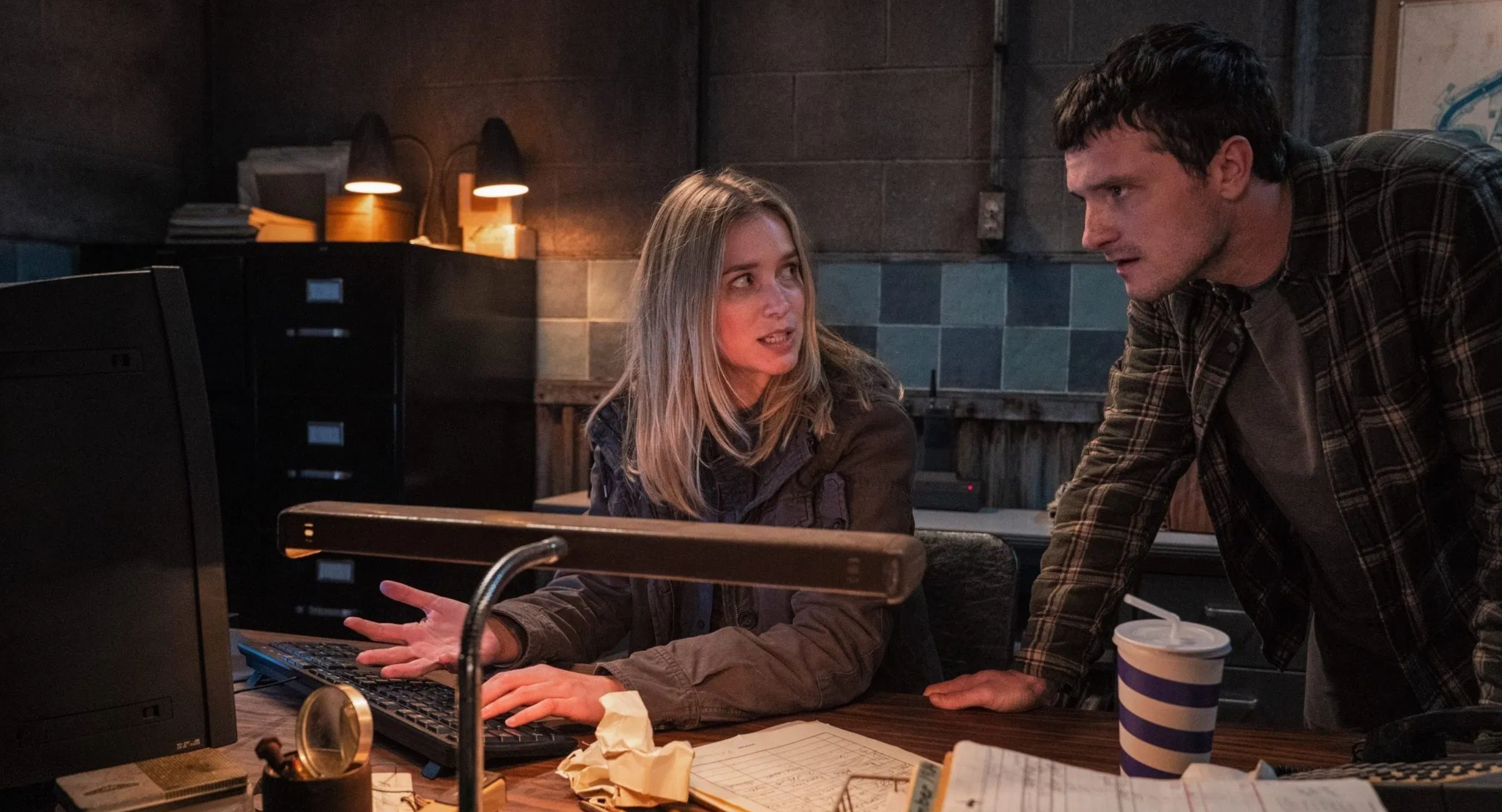
Emma Tammi’s Five Nights at Freddy’s 2 arrives with both the burden of expectation and the advantage of familiarity. Following the massive success of the 2023 film adaptation, this sequel sharpens its focus on the haunted legacy of Freddy Fazbear’s Pizza while expanding the mythology in significant ways. Working from a screenplay by series creator Scott Cawthon, the film leans into supernatural unease, psychological trauma, and the twisted history of the Fazbear franchise, resulting in an installment that is richer in lore than its predecessor but still wrestling with tonal and pacing challenges. With returning cast members Josh Hutcherson, Elizabeth Lail, Piper Rubio, and Matthew Lillard—joined by newcomers Skeet Ulrich, Wayne Knight, Mckenna Grace, and Teo Briones—the sequel delivers a blend of sinister atmosphere, emotional stakes, and franchise-faithful details that will likely satisfy fans, even when the scares don’t always land as effectively as they should.
Set one year after the events of the first film, Five Nights at Freddy’s 2 shifts its perspective toward Abby Schmidt, the younger sister of protagonist Mike Schmidt. Piper Rubio shoulders more of the dramatic weight this time, portraying Abby with a compelling balance of innocence, resilience, and troubled fascination. Her connection to the animatronics deepens, fueling a story that touches on childhood trauma, grief, and identity. Though the plot spans multiple locations, timelines, and haunting encounters, the narrative remains rooted in Abby’s attempts to rebuild her life and understand the lingering mysteries surrounding Freddy Fazbear’s Pizza.
Josh Hutcherson once again plays Mike with grounded sincerity, even if the sequel offers him fewer introspective arcs than the first film. Meanwhile, Elizabeth Lail’s Vanessa struggles with the psychological scars of her father’s crimes, taking on a more proactive role as danger escalates. The film invests more heavily in character development than its predecessor, giving the sequel an emotional sophistication that will resonate with audiences invested in the Schmidt family.
Cawthon’s script revisits fan-favorite lore in ways that feel respectful yet fresh. Without revealing plot specifics, the film delves deeper into the origins of the animatronics, the tragedy of previous victims, and the legacy of corruption that has permeated the Fazbear brand for decades. Longtime fans will appreciate the film’s willingness to tackle more complex supernatural elements while still keeping accessibility for newcomers in mind.
The cast is uniformly strong, with Piper Rubio delivering a standout performance that elevates the entire film. Hutcherson continues to bring emotional weight, and Elizabeth Lail plays Vanessa with a nuanced fragility that feels genuinely haunted. The newcomers—particularly Mckenna Grace—add energy and intensity to scenes exploring the darker sides of the franchise’s mythology. Freddy Carter, as Michael, offers a chilling presence that hints at expanded future conflicts.
Visually, the film is often stunning. The cinematography embraces shadows, rich color palettes, and slow, creeping camera movements to create a sense of dread. Freddy Fazbear’s Pizza—both its modern remains and its earlier iteration—is rendered with a grimy, nostalgic authenticity. The animatronics once again strike the perfect balance between whimsical and horrifying, their designs faithful to the games while cinematic in execution. The lighting, especially in scenes involving music boxes and flickering hallways, gives the sequel a polished, atmospheric edge.
Certain suspense sequences rise above the rest, delivering moments where the tension is palpable and the dread expertly controlled. Whether it’s an animatronic moving in the corner of a frame or a character venturing somewhere they absolutely shouldn’t, the film knows how to make fans hold their breath. Even with a PG-13 rating, these scenes showcase Tammi’s refined direction and her ability to turn controlled pacing into genuine unease.
Despite its strengths, Five Nights at Freddy’s 2 struggles with pacing, particularly in its first act. The opening portion of the film methodically sets up new lore, introduces additional characters, and revisits past trauma, but the buildup drags considerably before the narrative begins to tighten. The slow start may frustrate viewers hoping for an immediate sense of danger or a quicker return to the animatronic mayhem that defined the first film’s appeal.
Another noticeable drawback is the film’s tendency to pull away from its kills. While the sequel is meant to be intense and unnerving, many of its violent moments occur off-screen, reducing the fear factor. The franchise’s reliance on implication rather than explicit horror is still present, but here it feels somewhat muted. Those hoping for more visceral scares or a heightened sense of threat may find themselves wanting.
Similarly, the film occasionally stumbles with dialogue. Certain exchanges feel stiff or overly expository, especially when characters explain lore or emotional motivations. These lines can interrupt otherwise strong scenes, drawing attention away from the film’s carefully built tension.
While the film contains a handful of strong suspense sequences, several horror moments lack the punch required to solidify the sequel as a terrifying experience. The animatronics remain creepy, but the movie often emphasizes mystery over fear—an approach that works narratively but limits the overall visceral impact.
Even with its imperfections, Five Nights at Freddy’s 2 proves to be a more ambitious, emotionally layered, and lore-driven installment than the original. Fans of the games will appreciate the accuracy with which animatronics, storylines, music cues, and character dynamics are translated to the screen. The film’s respect for the source material is evident in nearly every frame, from how it recreates iconic moments to the way it deepens the mythology without feeling derivative.
The strong performances—especially those from Piper Rubio, Elizabeth Lail, and the supporting cast—anchor the supernatural spectacle with surprising emotional gravity. Combined with striking cinematography and several well-crafted sequences of tension, the film succeeds more often than it stumbles.
While the lack of on-screen horror, a slow first act, and occasionally clunky dialogue prevent Five Nights at Freddy’s 2 from becoming a standout horror sequel, it remains a gripping and visually rich entry in the growing cinematic franchise. It broadens the universe in meaningful ways, sets the stage for future stories, and provides fans of the games with plenty to analyze and appreciate.
Ultimately, Five Nights at Freddy’s 2 is a satisfyingly eerie continuation—deeper in lore, stronger in performances, and visually captivating—while still leaving room for future installments to push the series toward even darker and more terrifying territory.