Anaconda – Film Review
Published December 26, 2025

Movie Details

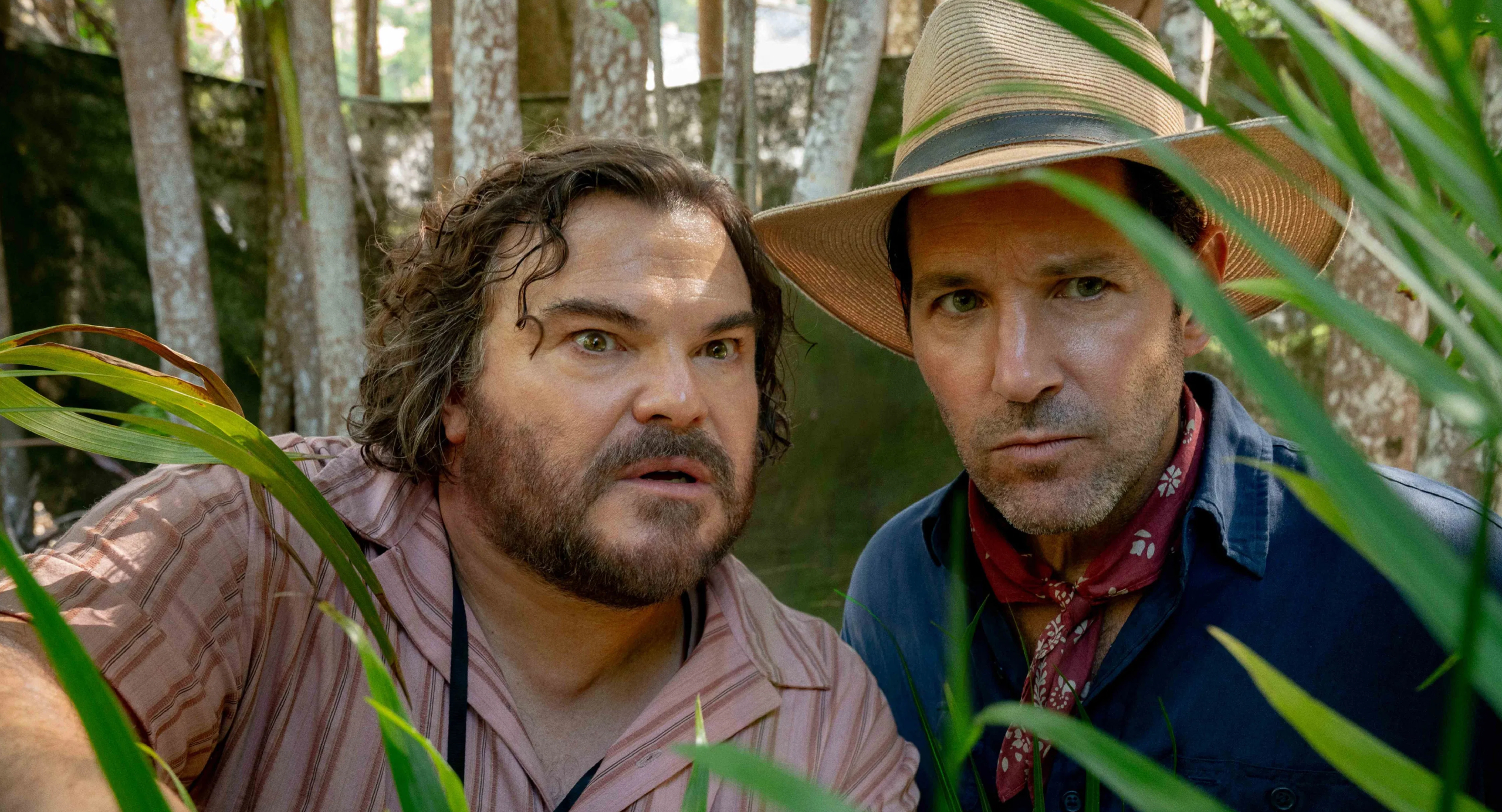
Tom Gormican’s Anaconda (2025) has an inspired hook and an impressive cast, positioning itself as a self-aware, action-comedy-horror reboot of the 1997 cult favorite. On paper, the idea is clever: a group of disillusioned friends attempt to remake Anaconda as a scrappy indie project, only to find themselves confronting dangers far more real than their low-budget ambitions. As the sixth entry in the franchise, the film leans heavily into meta humor, nostalgia, and absurdity. Unfortunately, what starts as a promising genre mash-up gradually collapses under tonal confusion, undercooked satire, and a narrative that mistakes reference-heavy cleverness for substance.
Gormican, co-writing with Kevin Etten, clearly understands the appeal of late-’90s studio thrillers and the ironic affection audiences still have for them. The screenplay is packed with self-aware nods, industry jokes, and playful jabs at Hollywood’s reboot culture. Early scenes establish the central characters as once-hopeful kids who bonded over movies, now adults stuck in lives that failed to meet their expectations. This setup works reasonably well, grounding the comedy in relatable midlife dissatisfaction. The problem is that the film never quite knows what to do with that emotional foundation once the jungle chaos begins.
Paul Rudd, Jack Black, and Steve Zahn form the comic backbone of the ensemble, and their chemistry is immediately apparent. Rudd brings his usual affable charm to Griff, a man clinging desperately to relevance through nostalgia and half-baked schemes. Jack Black, as Doug, is the most unrestrained presence in the film, oscillating between manic enthusiasm and wounded ego. Steve Zahn plays Kenny with a looser, more naturalistic energy, often feeling like he wandered in from a better, funnier movie. Their banter provides the film’s most consistently entertaining moments, especially early on, when the movie still believes its own joke.
Jack Black, in particular, emerges as a standout. He fully commits to Doug’s ego-driven creative obsession, mining laughs from the character’s pretensions and insecurity. Black understands the rhythm of meta comedy better than the script does, often elevating thin material through performance alone. His scenes crackle with energy, even when the humor itself lands unevenly. Paul Rudd, meanwhile, plays Griff with a subtle blend of confidence and desperation, hinting at a character whose need for validation runs deeper than the film ever explores. Rudd’s likability goes a long way toward keeping the audience invested, even when the narrative wanders.
The film’s shift into the Amazon setting should be where Anaconda fully comes alive, blending creature-feature thrills with absurdist comedy. Instead, this is where the movie begins to unravel. The jungle sequences are visually serviceable but surprisingly uninspired, lacking the sense of menace or scale that even the original 1997 film managed to convey with far less irony. The titular snake, rendered through a mix of practical effects and CGI, never becomes as iconic or threatening as the film seems to want it to be. Rather than building suspense, the movie often undercuts tension with jokes that feel mistimed or overly self-satisfied.
Tonally, Anaconda struggles to balance its three competing identities: comedy, horror, and industry satire. When it leans into farce, it works in fits and starts. When it attempts genuine horror, it rarely commits long enough to generate fear. And when it pivots toward commentary on filmmaking, intellectual property, and creative ownership, it does so in broad strokes that feel underdeveloped. The meta elements are plentiful, but they’re rarely sharp. The film wants credit for acknowledging Hollywood cynicism without offering much insight beyond surface-level observations.
Daniela Melchior is another clear standout, bringing welcome intensity and presence to her role. She injects the film with a sense of unpredictability that briefly raises the stakes, and her performance feels grounded in a way that contrasts nicely with the more exaggerated comedic turns around her. Melchior’s screen time, while limited, is used effectively, and she leaves a stronger impression than the script arguably deserves. Thandiwe Newton, by contrast, is underserved. Her character has emotional potential, but the film treats her more as connective tissue than as a fully realized person, which is disappointing given Newton’s proven dramatic range.
One of the film’s biggest issues is pacing. At nearly every stage, Anaconda feels either rushed or indulgent. Scenes linger too long on jokes that don’t quite land, while potentially interesting character beats are brushed past in favor of another reference or gag. The second half becomes especially repetitive, cycling through variations of the same comedic and action beats without escalation. By the time the film reaches its climax, the sense of novelty has worn thin, replaced by a nagging feeling that the movie is spinning its wheels.
As a reboot, Anaconda is caught between reverence and ridicule. It clearly loves the original film’s reputation as a “bad movie classic,” yet it also wants to position itself above that legacy through irony. This tension ultimately weakens the film. Rather than embracing the primal simplicity that made the original memorable, the 2025 version feels overly concerned with commenting on itself. The result is a movie that knows it’s ridiculous but doesn’t trust that ridiculousness to be enough.
The ending gestures toward industry satire and future possibilities, but it lands with a shrug rather than a punchline. Instead of feeling like a triumphant meta payoff, it comes across as a clever idea introduced too late to matter. By that point, the film has already exhausted much of its goodwill, leaving viewers more tired than amused.
Anaconda is a film with flashes of inspiration buried beneath uneven execution. The cast—especially Jack Black, Paul Rudd, and Daniela Melchior—do admirable work trying to sell a concept that never fully coheres. There are laughs to be found, and genre fans may appreciate the self-awareness, but the movie rarely rises above being a clever premise stretched too thin. As a franchise entry, it neither revitalizes Anaconda nor decisively parodies it. What remains is a mildly entertaining curiosity that slithers along without ever truly sinking its teeth in.