A Knight of the Seven Kingdoms – Season 1 Review
Published February 24, 2026

Movie Details

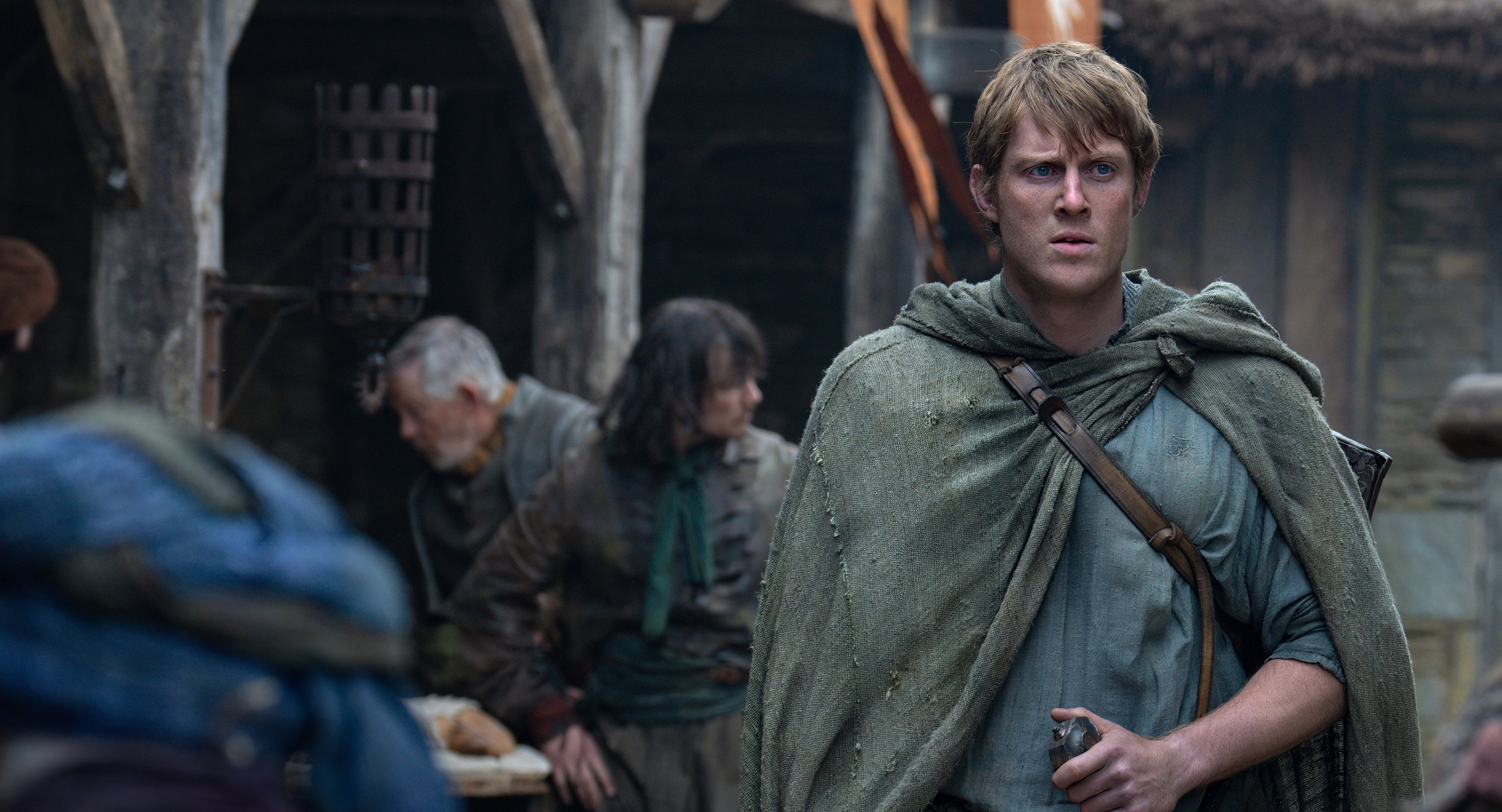
With A Knight of the Seven Kingdoms, creators Ira Parker and George R. R. Martin deliver a refreshingly intimate return to Westeros. Positioned as a prequel to Game of Thrones and adapted from Martin’s Tales of Dunk and Egg novellas—beginning with The Hedge Knight—the series trades sprawling political warfare for something more personal, humane, and unexpectedly heartfelt. Across six tightly constructed episodes, the first season builds a coming-of-age tale wrapped in chivalric ideals, moral ambiguity, and the quiet tragedies that shape history long before dragons return to dominate the sky.
Rather than replicating the operatic spectacle of its predecessor, this series deliberately narrows its focus. The result is a fantasy drama that feels smaller in scale yet richer in emotional texture. It is less concerned with who sits on the Iron Throne and more invested in what kind of person deserves to.
The narrative follows Ser Duncan “Dunk” the Tall, played with remarkable sincerity by Peter Claffey. Dunk is not a legendary knight or master tactician. He is a hedge knight—poor, inexperienced, and uncertain of his place in the world. Claffey embodies him with an earnest physicality that makes Dunk’s towering height feel secondary to his moral vulnerability. His performance anchors the series in grounded humanity.
Opposite him, Dexter Sol Ansell shines as Aegon “Egg” Targaryen. Egg is a prince traveling incognito, yet Ansell resists playing him as precocious royalty. Instead, he presents a child torn between admiration for knighthood and dawning awareness of his family’s complicated legacy. The chemistry between Claffey and Ansell becomes the emotional engine of the season. Their evolving partnership gives the show warmth and levity without sacrificing gravitas.
This relationship distinguishes the series from other entries in Martin’s universe. While political tension simmers in the background, the story remains centered on mentorship, loyalty, and identity. The quieter pacing may surprise viewers expecting relentless intrigue, but it ultimately proves to be the show’s greatest strength.
A Knight of the Seven Kingdoms captures Westeros during a comparatively peaceful era. Tournaments, feasts, and roadside inns dominate the landscape rather than battlefields. The production design feels lived-in and textured without overwhelming the narrative. Armor clinks with weight; banners ripple in dusty fields; camps buzz with whispered rivalries.
The tournament at Ashford serves as the season’s central setting, providing a contained arena for class tension and moral conflict. Here, the series explores what knighthood truly means. The ideals of honor and gallantry are repeatedly tested against pride, ambition, and cruelty. Instead of grand wars, the drama emerges from personal choices made in front of watching crowds.
Daniel Ings brings charismatic swagger to Ser Lyonel Baratheon, injecting the series with humor and bravado. Shaun Thomas’ Raymun Fossoway adds youthful restlessness, while Tanzyn Crawford’s Tanselle introduces artistic perspective and emotional grounding. These supporting performances broaden the world without distracting from Dunk and Egg’s journey.
What elevates the season beyond nostalgic fan service is its meditation on legacy. Dunk struggles with self-doubt and questions whether he truly belongs among knights. The show repeatedly asks whether titles matter more than actions. This moral inquiry resonates throughout the episodes, giving even quieter scenes narrative weight.
The Targaryen presence—through princes, rivalries, and unspoken tensions—adds political texture without overwhelming the intimate tone. The writing trusts viewers to sit with conversations rather than rushing to spectacle. Moments of silence carry as much impact as clashes of steel.
The series also thoughtfully examines childhood disillusionment. Egg’s exposure to hypocrisy and violence forces him to confront the gap between romanticized knighthood and its flawed reality. Watching that transformation unfold gives the season emotional resonance far beyond the tournament grounds.
Importantly, the show resists cynicism. While moral ambiguity remains central to Martin’s world, this adaptation allows hope to exist alongside tragedy. Dunk’s stubborn decency feels radical in a franchise often defined by betrayal.
Peter Claffey’s portrayal of Dunk deserves particular praise. He avoids turning the character into a simplistic paragon. Instead, he reveals Dunk’s insecurity, awkwardness, and occasional impulsiveness. When Dunk makes mistakes, they feel human rather than contrived. Claffey’s physical performance—heavy footsteps, hesitant glances, restrained fury—communicates volumes without overt dramatics.
Dexter Sol Ansell complements him beautifully. Egg’s intelligence and vulnerability shine in small gestures: curious looks, carefully chosen words, moments of stubborn defiance. Ansell balances innocence with the faint suggestion of the ruler Egg might one day become.
The supporting cast adds dimension without overshadowing the leads. Daniel Ings injects humor and bravado, while Tanzyn Crawford’s Tanselle provides quiet poignancy. Each actor understands the show’s restrained tone, never overplaying melodrama.
The six-episode structure allows the story to unfold deliberately. Some viewers may find the pace slower than previous Westeros installments, particularly in early episodes that emphasize character introduction and world-building. Yet this patience ultimately rewards the audience.
Each episode builds organically toward emotional and ethical turning points rather than relying on shocking twists. The writing avoids gratuitous spectacle, instead investing in conversations that deepen character motivations. By the finale, the cumulative effect feels earned rather than engineered.
The final episodes deliver satisfying emotional payoff without resorting to bombast. Instead of explosive cliffhangers, the season concludes on a note of forward momentum, suggesting future adventures while honoring the contained arc of this chapter.
Fans of Martin’s source material will appreciate the show’s fidelity to tone and character. The adaptation preserves the novella’s intimacy while expanding secondary figures and political nuance for television. At the same time, newcomers can engage with the story without encyclopedic knowledge of Westeros lore.
Importantly, the series distinguishes itself from House of the Dragon. Where that show leans into dynastic warfare and operatic tragedy, A Knight of the Seven Kingdoms opts for human-scale storytelling. It feels less like a saga of empires and more like a medieval road tale shaped by conscience.
Season one of A Knight of the Seven Kingdoms may lack the thunderous spectacle some viewers associate with Westeros, but it compensates with emotional authenticity, thoughtful character work, and a refreshing thematic focus on honor and growth.
By centering its story on Dunk and Egg’s evolving partnership, the series reclaims the wonder of early Game of Thrones while shedding the narrative sprawl that later defined it. It reminds us that history is shaped not only by kings and conquerors, but by flawed individuals striving to do the right thing.
If future seasons maintain this careful balance of intimacy and myth, A Knight of the Seven Kingdoms could become one of the most quietly powerful entries in the A Song of Ice and Fire television legacy.