The Bride! – Film Review
Published March 7, 2026

Movie Details

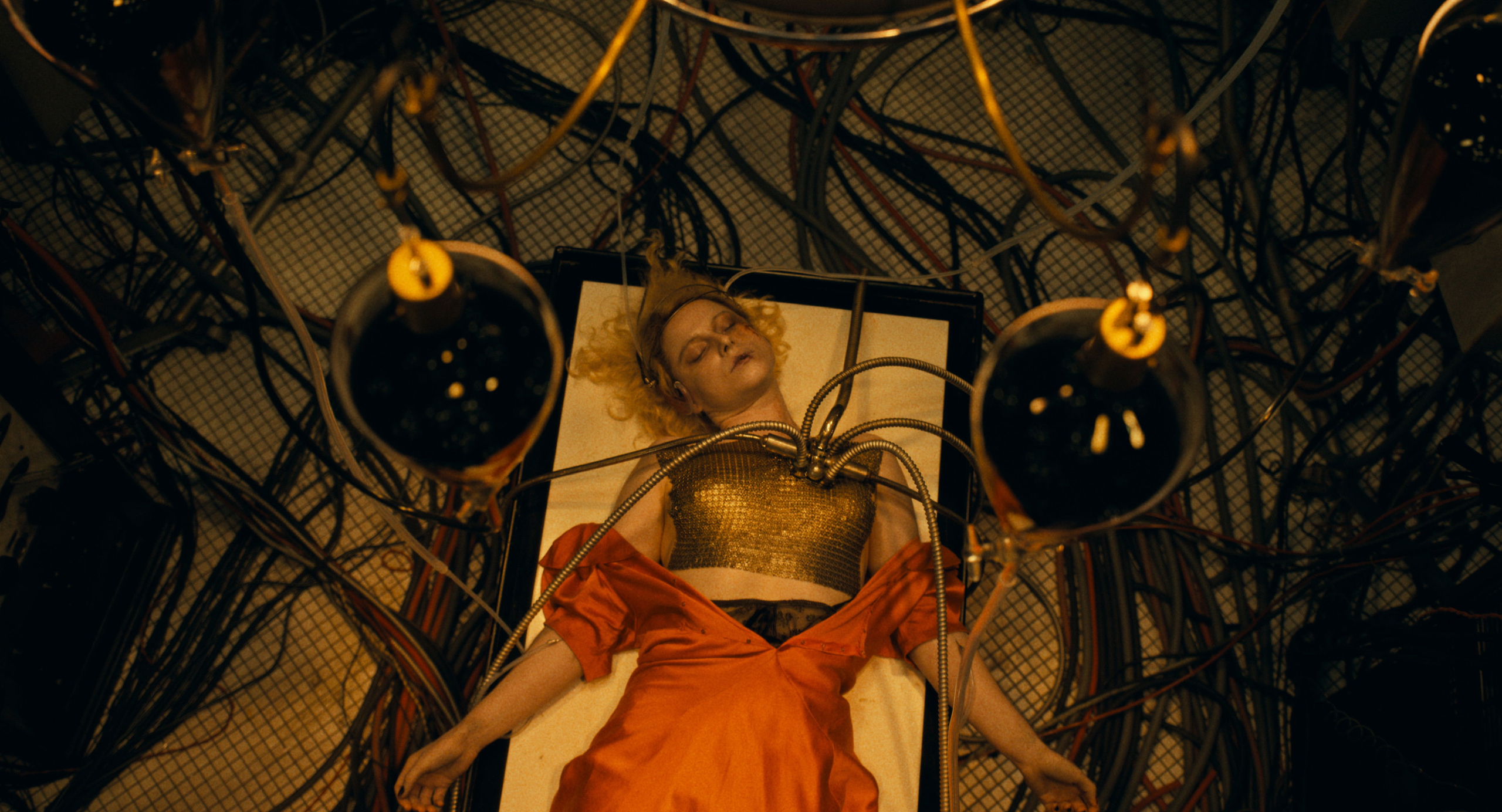
Maggie Gyllenhaal’s The Bride! arrives with a fascinating premise, a striking visual style, and a cast filled with powerhouse performers. Inspired by the legacy of classic Universal horror and Mary Shelley’s Frankenstein, the film attempts to blend Gothic romance, dark comedy, social satire, and monster mythology into one ambitious cinematic package. With Jessie Buckley and Christian Bale leading the story, the film promises a haunting reinterpretation of the “Bride of Frankenstein” mythos set against the backdrop of 1930s America.
Yet despite its intriguing ideas and occasional moments of brilliance, The Bride! ultimately feels like a film struggling to balance its many ambitions. The result is a visually interesting but uneven experience that never fully realizes the emotional or narrative power it seems to be aiming for.
From the very beginning, The Bride! establishes itself as a film deeply interested in the mythology surrounding Mary Shelley’s iconic creation. Rather than retelling the familiar Frankenstein story, Gyllenhaal imagines a continuation of that legacy, one that blends literary history with a pulpy, noir-inspired crime setting. The film places its monsters in 1930s Chicago and New York, creating a world where mobsters, detectives, and reanimated corpses collide.
Visually, the film is striking. The production design leans heavily into Gothic aesthetics while still embracing the grit of Depression-era urban life. Dark laboratories filled with humming machines contrast with smoky jazz clubs, glamorous parties, and shadowy city streets. The cinematography frequently echoes the look of classic black-and-white horror films, even though the movie itself is shot in color, creating a dreamlike atmosphere that feels intentionally theatrical.
At its best, The Bride! feels like a love letter to early horror cinema. The imagery often evokes the operatic intensity of the 1930s Universal monster movies while adding modern stylistic flourishes. The film clearly wants to celebrate that tradition while also questioning the stories those films told.
Jessie Buckley delivers the most compelling performance in the film by a wide margin. Playing Ida, who eventually becomes known as the Bride, Buckley brings a fascinating mix of vulnerability, confusion, and chaotic energy to the role. Her character begins the story disoriented and uncertain, gradually discovering fragments of identity while navigating a strange new existence.
Buckley excels at portraying someone who is simultaneously learning how the world works and pushing against its boundaries. Her delivery can shift from poetic and philosophical to wildly unpredictable, which adds an unsettling quality to many scenes. Even when the film’s narrative becomes messy, Buckley remains captivating to watch.
The character itself is clearly meant to represent more than just a traditional horror figure. Gyllenhaal frames the Bride as a symbol of rebellion and self-definition, someone rejecting the expectations placed upon her by the men who created or pursued her. Buckley leans into that theme, giving the performance a sense of intensity that often feels larger than the story surrounding it.
Christian Bale plays Frank, the film’s version of Frankenstein’s monster, with a quiet melancholy that initially works well. His portrayal emphasizes the creature’s loneliness and desire for companionship, which aligns with the classic interpretations of the character.
However, the script never fully develops Frank beyond a handful of recognizable traits. He alternates between gentle devotion and bursts of violent rage, but the emotional complexity suggested by the premise rarely receives the depth it deserves.
Bale does what he can with the material, bringing physical presence and occasional flashes of vulnerability to the role. Still, the character often feels overshadowed by Buckley’s more dynamic performance. Considering how central their relationship is supposed to be, the imbalance between the two characters weakens the film’s emotional foundation.
The supporting cast includes several notable actors, including Annette Bening, Peter Sarsgaard, Jake Gyllenhaal, and Penélope Cruz. Unfortunately, many of them feel underutilized.
Annette Bening’s scientist character has some intriguing moments early in the film, especially when discussing the ethics and possibilities of reanimation. Yet the story never fully explores her motivations or her place in the larger narrative. Her scenes hint at fascinating ideas about science, ambition, and morality, but those threads remain largely unexplored.
Peter Sarsgaard’s detective storyline introduces a procedural element that runs parallel to the monsters’ journey. While this could have added tension and structure to the narrative, it instead feels like a distraction from the film’s more interesting themes.
Jake Gyllenhaal’s appearance as a movie star provides moments of surreal humor, though the character functions more as a satirical cameo than a fully realized figure.
With so many characters competing for attention, the film struggles to maintain a consistent focus.
One of the most interesting aspects of The Bride! is its attempt to blend monster mythology with social commentary. The film touches on themes of identity, gender expectations, celebrity culture, and public hysteria. There are even moments where the Bride’s actions seem to inspire a broader cultural movement, suggesting a commentary on rebellion and collective unrest.
These ideas are intriguing, but the film rarely gives them enough space to breathe. Scenes often jump between tones—romance, horror, satire, and dark comedy—without fully committing to any of them. As a result, the thematic elements sometimes feel scattered rather than cohesive.
Gyllenhaal clearly has a strong artistic vision, but the script seems overloaded with concepts that never quite merge into a clear message.
Another challenge the film faces is its constantly shifting tone. Some sequences play like gothic romance, others lean into absurdist comedy, and still others attempt to function as crime thrillers.
This unpredictability can be entertaining in small doses, but over time it creates a sense that the film is struggling to decide what it wants to be. Emotional moments often lose their impact because the surrounding scenes feel stylistically disconnected.
The pacing also suffers from this lack of focus. The story moves quickly from one strange situation to another without giving the characters enough time to develop meaningful relationships or emotional depth.
Despite its flaws, The Bride! remains an interesting film. It is clearly the work of a filmmaker taking creative risks, and there are moments where that ambition pays off. Certain scenes—especially those centered on Buckley’s character discovering her identity—hint at a more powerful version of the movie that might have been.
The film’s visual style, bold performances, and unconventional approach to classic horror mythology make it memorable, even when the storytelling falters.
Unfortunately, ambition alone cannot carry the entire experience. Without stronger narrative cohesion and more developed characters, The Bride! never quite reaches the dramatic heights it seems to promise.
The Bride! is an imaginative but uneven reinterpretation of Frankenstein mythology. Jessie Buckley delivers a captivating performance that anchors the film, while Maggie Gyllenhaal’s direction shows clear artistic confidence. However, the crowded narrative, inconsistent tone, and underdeveloped characters prevent the movie from fully succeeding.
For viewers interested in experimental takes on classic horror stories, the film may still offer plenty to admire. But for many audiences, The Bride! will likely feel like a beautiful idea that never quite comes to life.