The Wrecking Crew – Film Review
Published

Movie Details

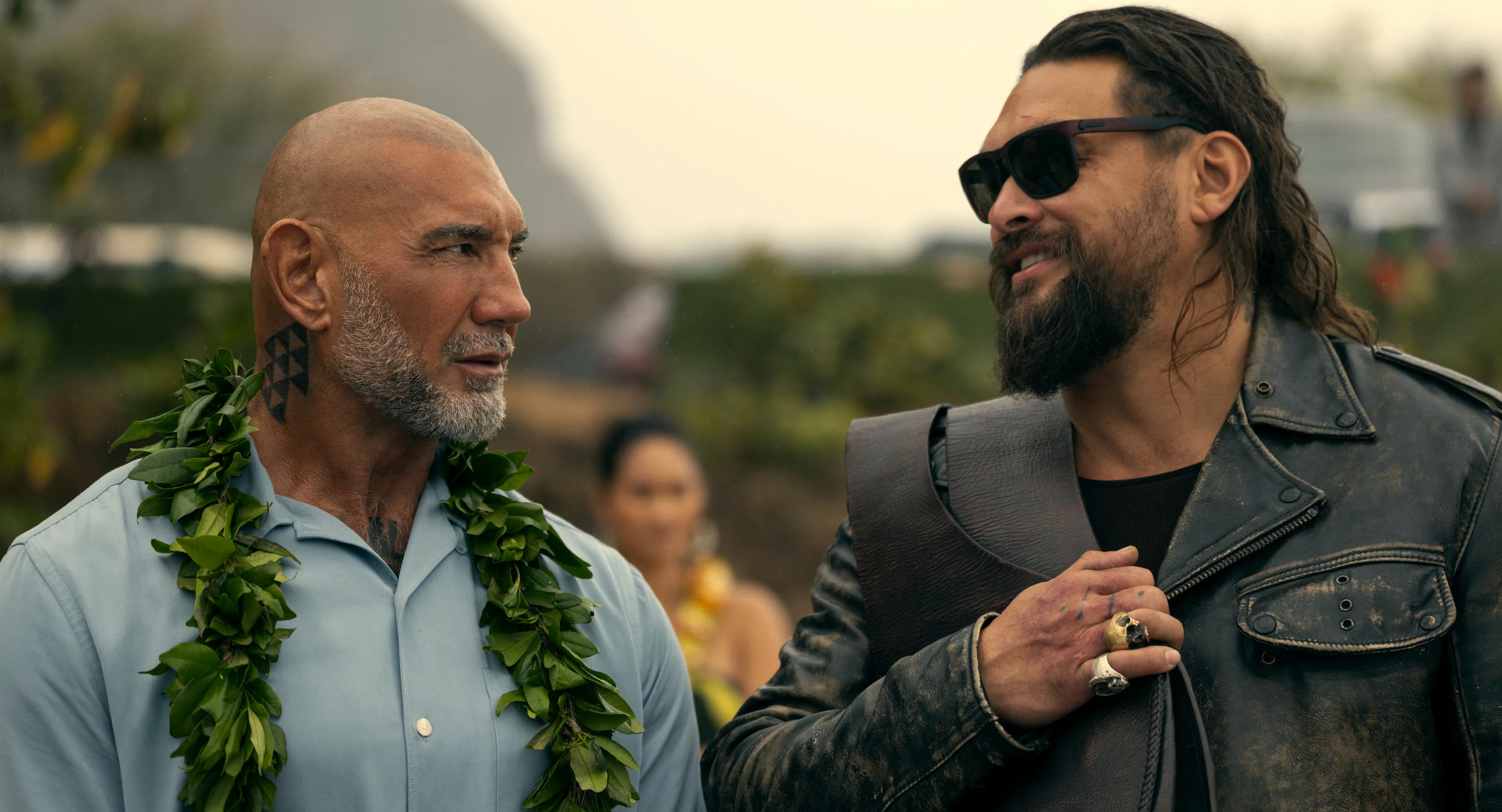
Buddy cop action comedies live or die by chemistry. Explosions are nice, punchlines help, but if the central duo doesn’t click, the whole thing feels like a loud party you’re not actually invited to. The Wrecking Crew, directed by Ángel Manuel Soto and written by Jonathan Tropper, certainly understands the “loud” part. It throws Jason Momoa and Dave Bautista into a tropical crime story packed with corruption, family drama, and organized crime, but while the film is frequently energetic and occasionally funny, it struggles to balance tone, character, and story in a way that feels satisfying.
Momoa plays Jonny Hale, a suspended detective with anger issues and unresolved family baggage, while Bautista is James Hale, his more disciplined half-brother and a Navy SEAL with a life that appears stable on the surface. The two are reunited in Hawaii after the death of their estranged father, a private investigator whose suspicious demise sets the plot in motion. From there, the movie dives into a tangle of real estate schemes, political corruption, and criminal organizations. It’s an ambitious narrative for what’s being sold as a punchy, crowd-pleasing action comedy, and that ambition becomes both a strength and a weakness.
The film’s biggest asset is the sheer screen presence of its leads. Momoa leans into Jonny’s reckless, emotionally stunted persona with a mix of swagger and vulnerability. He plays the character like a walking open wound covered in tattoos and bad decisions, and while the script doesn’t always give him the sharpest dialogue, Momoa’s natural charisma carries many scenes that might otherwise fall flat. Bautista, meanwhile, brings his now-familiar blend of physical intimidation and surprising softness. James is the steadier of the two, and Bautista does solid work suggesting years of suppressed guilt and responsibility beneath his stoic exterior.
Their dynamic is clearly meant to be the heart of the movie, and when the film slows down enough to let them actually interact, sparks fly. The banter isn’t always hilarious, but there’s an easy rhythm between the actors that makes their arguments and reluctant teamwork believable. Some of the best moments come from quieter exchanges rather than action set pieces, where the brothers’ shared history and resentment bubble up in ways that feel grounded compared to the larger-than-life chaos around them.
Where The Wrecking Crew starts to wobble is in its tonal juggling act. The film wants to be a raucous action comedy, a family drama about estranged siblings, and a socially conscious thriller involving land rights and political corruption. Each of those angles could fuel a strong movie on its own, but here they’re crammed together without enough breathing room. One scene might push emotional reconciliation, and the next jumps into broad physical comedy or a high-octane shootout. The transitions can feel abrupt, like the movie is constantly changing channels.
Ángel Manuel Soto brings visual flair to the Hawaiian setting, which is one of the film’s consistent highlights. The landscapes are vibrant and sun-soaked, and the contrast between postcard-perfect beaches and the murkier criminal underworld is visually effective. Action scenes are staged with clarity, and Soto avoids the worst shaky-cam excesses. You can generally tell who is punching whom, which is more than can be said for many modern action comedies. Still, the choreography rarely reaches the memorable heights you might expect from two performers known for their physicality.
The comedy is hit-or-miss. Some jokes land thanks to the leads’ delivery, especially when the humor stems from their personalities clashing. Other attempts feel forced, leaning on obvious gags or side characters pushed too hard as comic relief. Jacob Batalon’s Pika, for example, has an appealing awkward energy, but the script often uses him as a punchline dispenser rather than a fully realized person. Stephen Root and Morena Baccarin bring welcome professionalism to their roles, yet even they can’t elevate every thinly sketched moment.
Claes Bang’s developer antagonist and Temuera Morrison’s governor figure add layers to the conspiracy angle, but the villains are more functional than memorable. Their motivations are clear enough, yet they never feel particularly threatening on a character level. The story keeps escalating the stakes, but emotionally it remains tied to the brothers’ personal journey, making the larger criminal web feel like set dressing rather than a gripping central conflict.
Pacing is another issue. The movie runs on the long side for this genre, and you can feel it. There’s a sense that the script is trying to weave together too many threads—family trauma, corruption, organized crime, personal redemption—without trimming any of them. As a result, the middle stretch sags, with repeated confrontations and discoveries that blur together instead of building clean momentum toward the finale.
That said, The Wrecking Crew is rarely boring. Even when the story meanders, the film’s energy keeps it moving. Momoa and Bautista remain watchable, and the production value is solid across the board. The film also deserves credit for centering its story in Hawaii and touching on themes tied to land and community, even if those elements are handled more as plot drivers than deeply explored issues.
In the end, this is a movie that feels like it should be more fun than it actually is. The ingredients are all there: two charismatic leads, a scenic setting, a conspiracy-laced plot, and plenty of action. But the execution never quite gels. The emotional beats don’t always land as hard as intended, the humor is inconsistent, and the story’s ambition weighs down what might have worked better as a leaner, more focused ride.
For fans of Momoa and Bautista, there’s still enjoyment to be found, especially in their shared scenes and a handful of well-staged action sequences. Casual viewers looking for a breezy, laugh-heavy romp may find themselves surprised by how much plot and drama they have to wade through. The Wrecking Crew isn’t a total misfire, but it’s a messy one—big, loud, and occasionally entertaining, yet ultimately stuck in the middle of the road.